
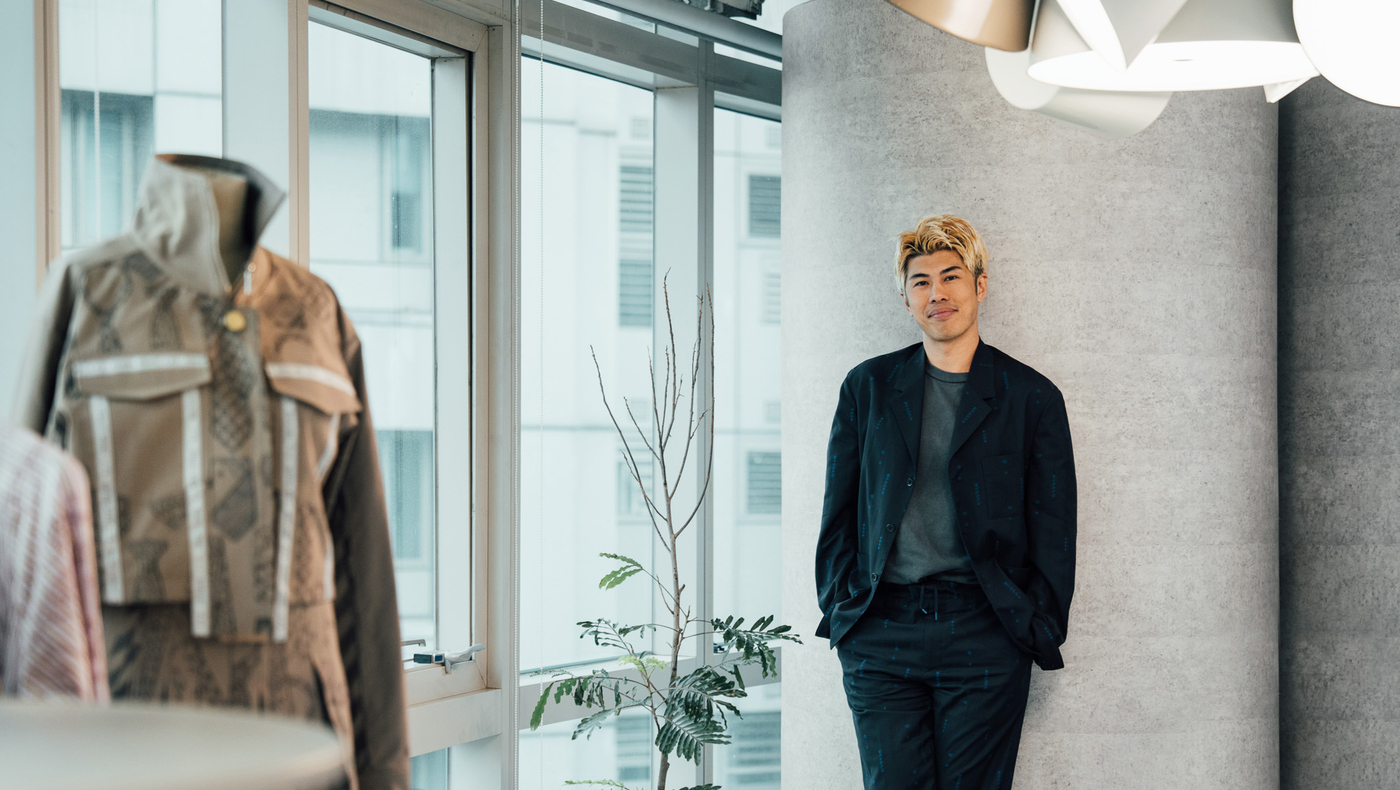
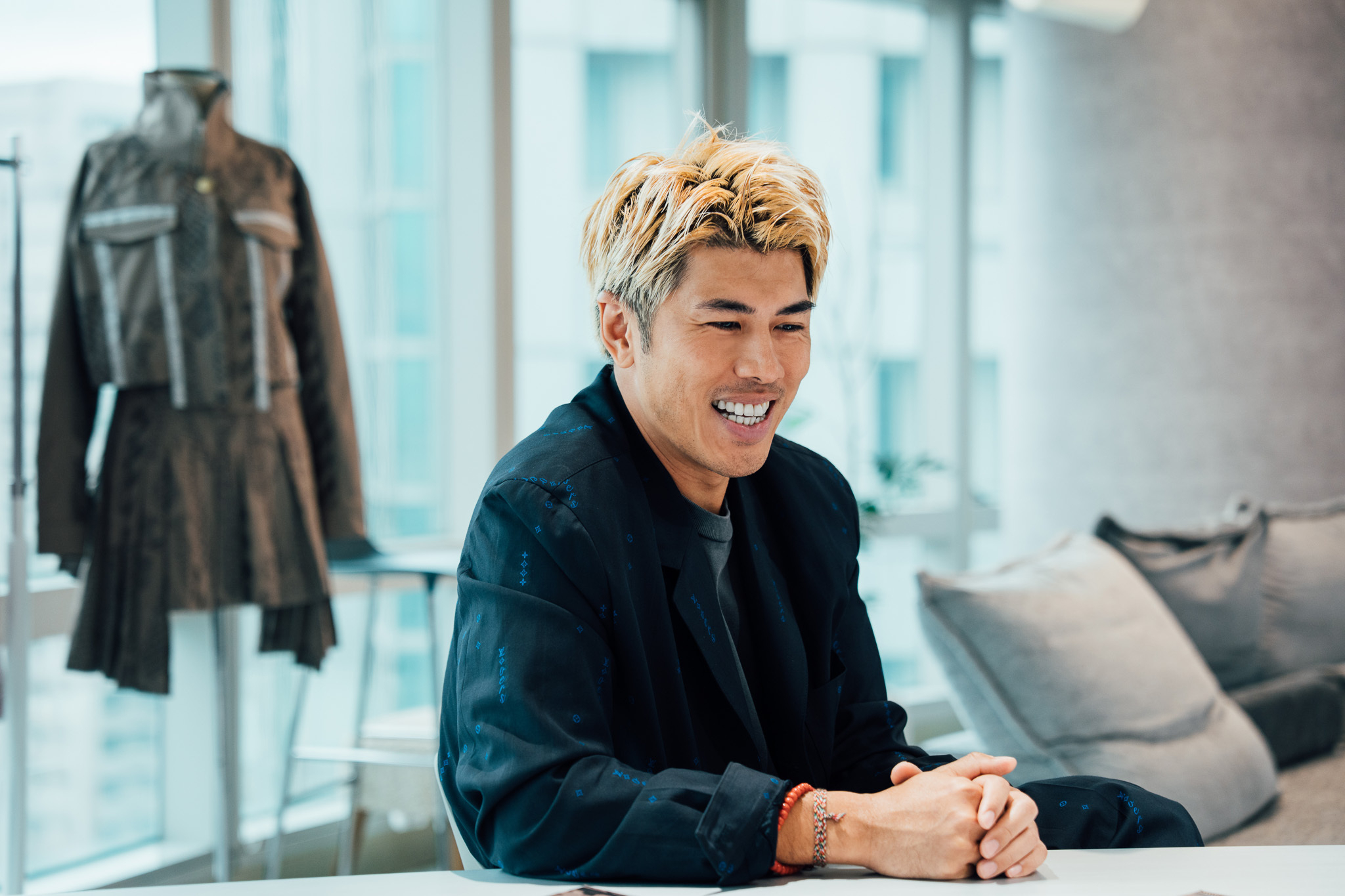
From animal motifs to urban landscapes, from fantastical galaxies to fairy-tale realms, Daniel Wong has always used prints to construct one luxurious, vibrant, bold yet delicate fashion universe after another. Born in Canada and raised in Edinburgh, Scotland, Daniel Wong chose to settle in Taiwan in 2014, beginning a journey of fashion fantasy and creative exploration.
Many people imagine the fashion world as glamorous and dazzling, as if fairy tales and movie scenes unfold every day. Yet for Daniel, everything today happened almost by accident. The brand he once said he “never intended to create” has now entered its 12th year, shining across different fields and becoming a distinctive presence in Taiwan’s fashion scene.
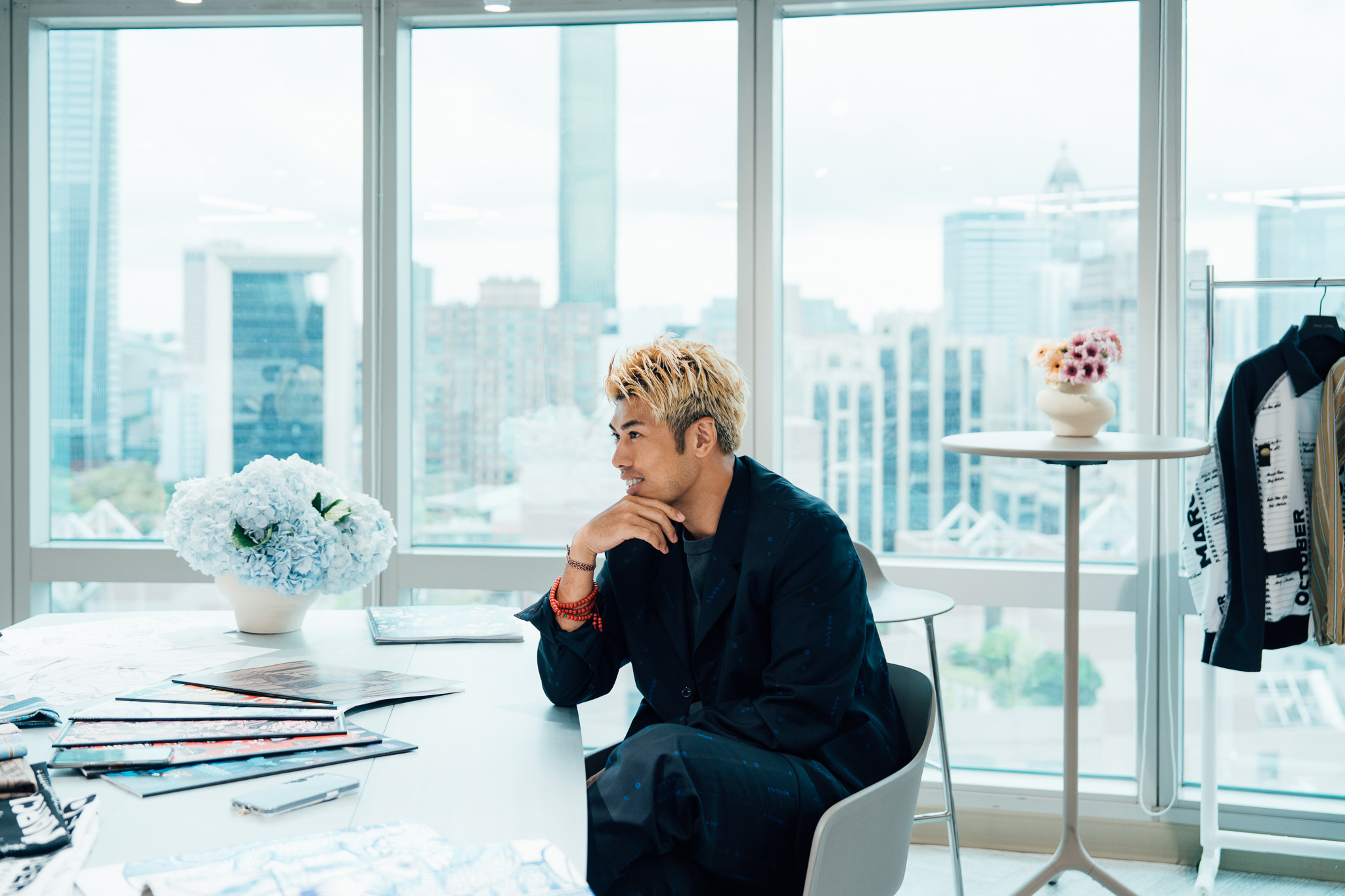 Daniel Wong — Brand Designer Daniel Wong
A Strong Foundation on the International Stage, Creating an Irreplicable Philosophy of Hand-Drawn Prints
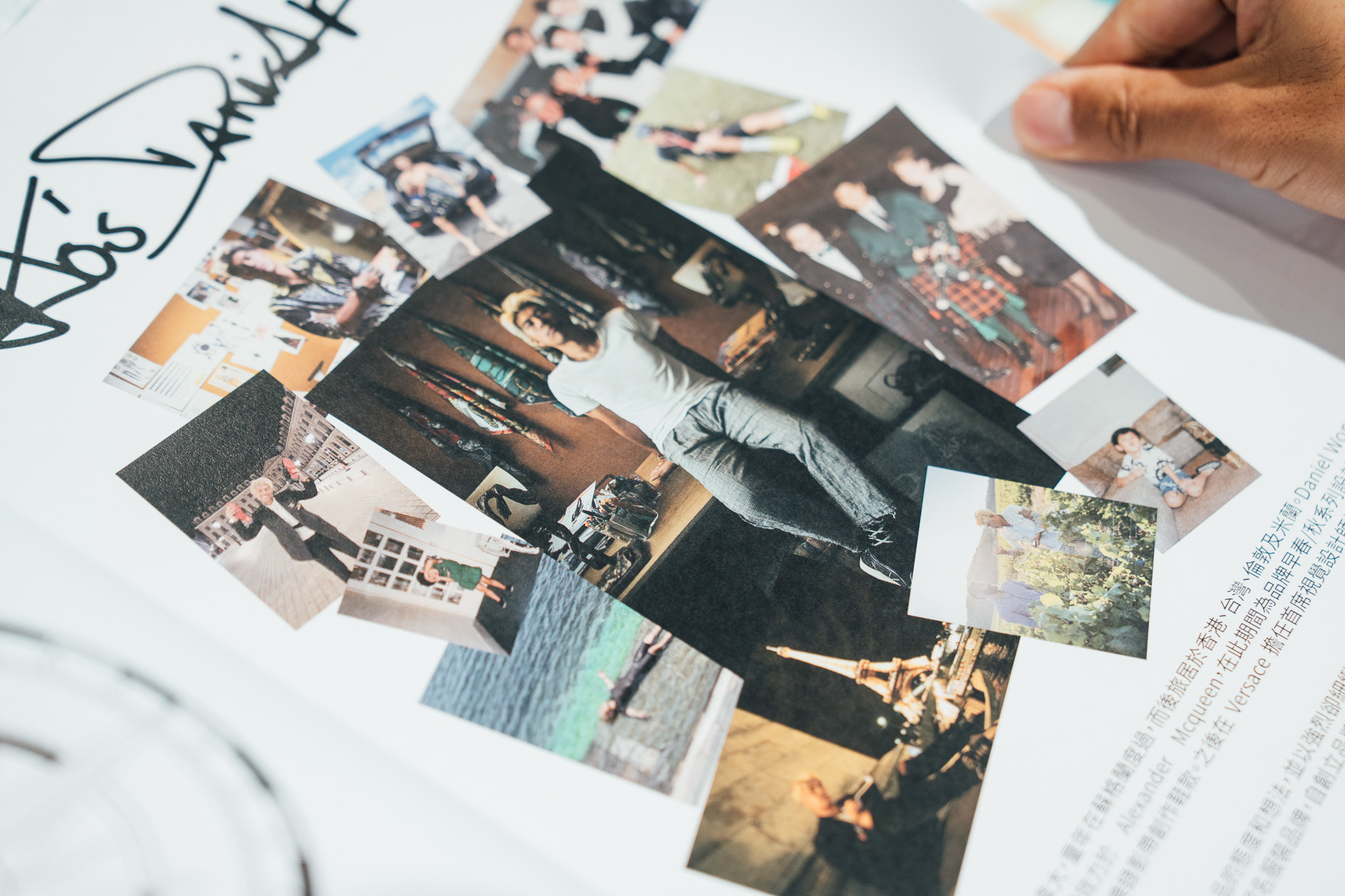
Daniel Wong previously worked under major fashion houses including Alexander McQueen and Versace. During that time, he worked with design teams on concert costumes for Lady Gaga, styling for Prince, and exhibitions for McQueen in Paris. These experiences allowed him to understand how difficult the fashion industry truly is. “When you are inside the industry, you realize how deep their techniques are, how much capability they have, and how much capital they are able to invest,” he says.
Daniel laughs as he recalls that his original plan in Taiwan was to establish a diversified design company. Unexpectedly, under the encouragement of his business partner, he founded a fashion brand under his own name. Running a brand cannot rely on romantic imagination alone; it requires constant movement between business and creativity. Daniel says candidly that although his passion for operating a brand started from zero, once he decided to do it, he evaluated everything through the perspective he had developed in large companies. “From the very beginning, I assessed the brand’s operation with a very commercial mindset, rather than supporting it purely with romantic feelings.” From gross margins and market positioning to brand value and customer profiles, Daniel considered every aspect carefully. He has continuously adjusted his business model in response to the ever-changing fashion world. “But there is one thing that has never changed from the first day of starting the business until now: our print philosophy and hand-drawn creative method. This is the brand’s core DNA,” Daniel says.
“Every day, I constantly reflect and ask myself: Why does Taiwan need Daniel Wong?”
— Daniel Wong
Therefore, to understand the brand “Daniel Wong,” the most direct way is to look at its patterns, which are among the brand’s most valuable assets. Over 12 years, Daniel and his team have created more than 130 finalized hand-drawn motifs, each drawn stroke by stroke with technical pens. On the day of the interview, he took out historical manuscripts one by one from boxes that looked like treasure chests. The 1:1 scale patterns, drawn without computer generation, were mesmerizing. Daniel, who had just been calmly explaining brand operations, suddenly seemed to switch into a more emotional designer mode as soon as the conversation turned to prints. Daniel Wong regards “prints” as one of the brand’s most important assets. Through the integration of imagery, structure, and system, prints become visual units that can be extended, translated, and reused. Over the past decade, the brand has accumulated several boxes of materials, like treasure chests filled with creative archives.
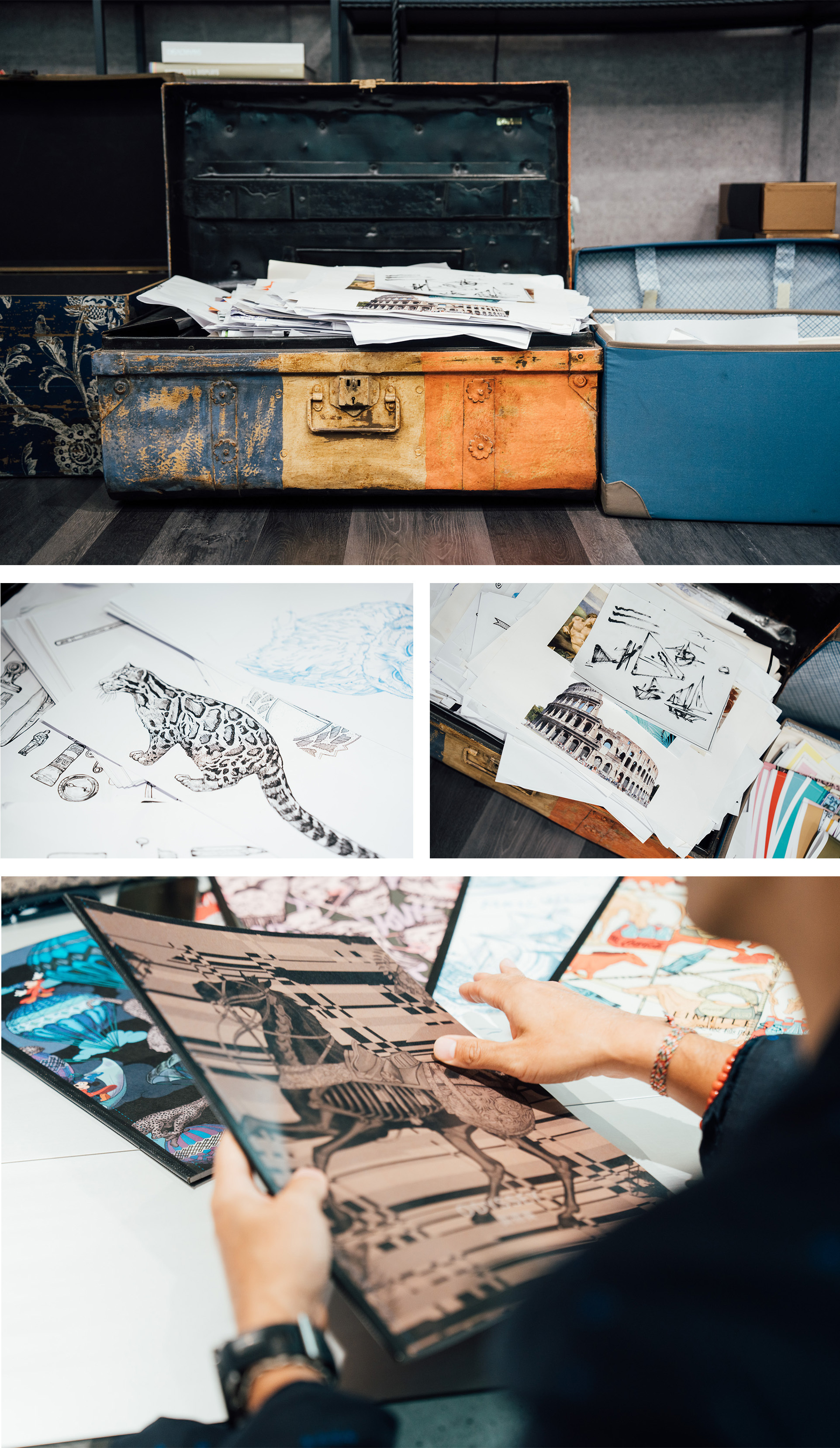
Daniel Wong regards prints as a core brand asset. Through the integration of graphics, structure and system, prints become visual units that can be extended, translated and reused. Over more than a decade of development, the brand has accumulated several boxes of materials, like treasure chests of creative resources.
In an era where patterns can be generated by AI within seconds, why does he still insist on such a “handmade” technique? Daniel explains that the difference between the printed size and the original artwork must be controlled within a certain percentage. If it exceeds that range, the density of the lines becomes inaccurate, and the overall visual quality collapses. Even the ratio between outer and inner line thickness, the layers of light and shadow, and the tension of curves all follow fixed standards. “I can tell in one second whether something was created by computer or hand-drawn,” he says. He points out that these patterns are not only used in fashion design, but can also be transformed into sofas, curtains, wallpapers, and other objects. Although it may seem like the brand is moving across multiple tracks at once, everything actually follows the same logic and creative context. At the core is always the soul of the hand-drawn pattern.
“The pressure of each stroke and the curve of each line — these handmade ‘imperfect’ variations not only give the patterns recognition, but also give the brand its value. This is something no tool can fully replicate.” — Daniel Wong
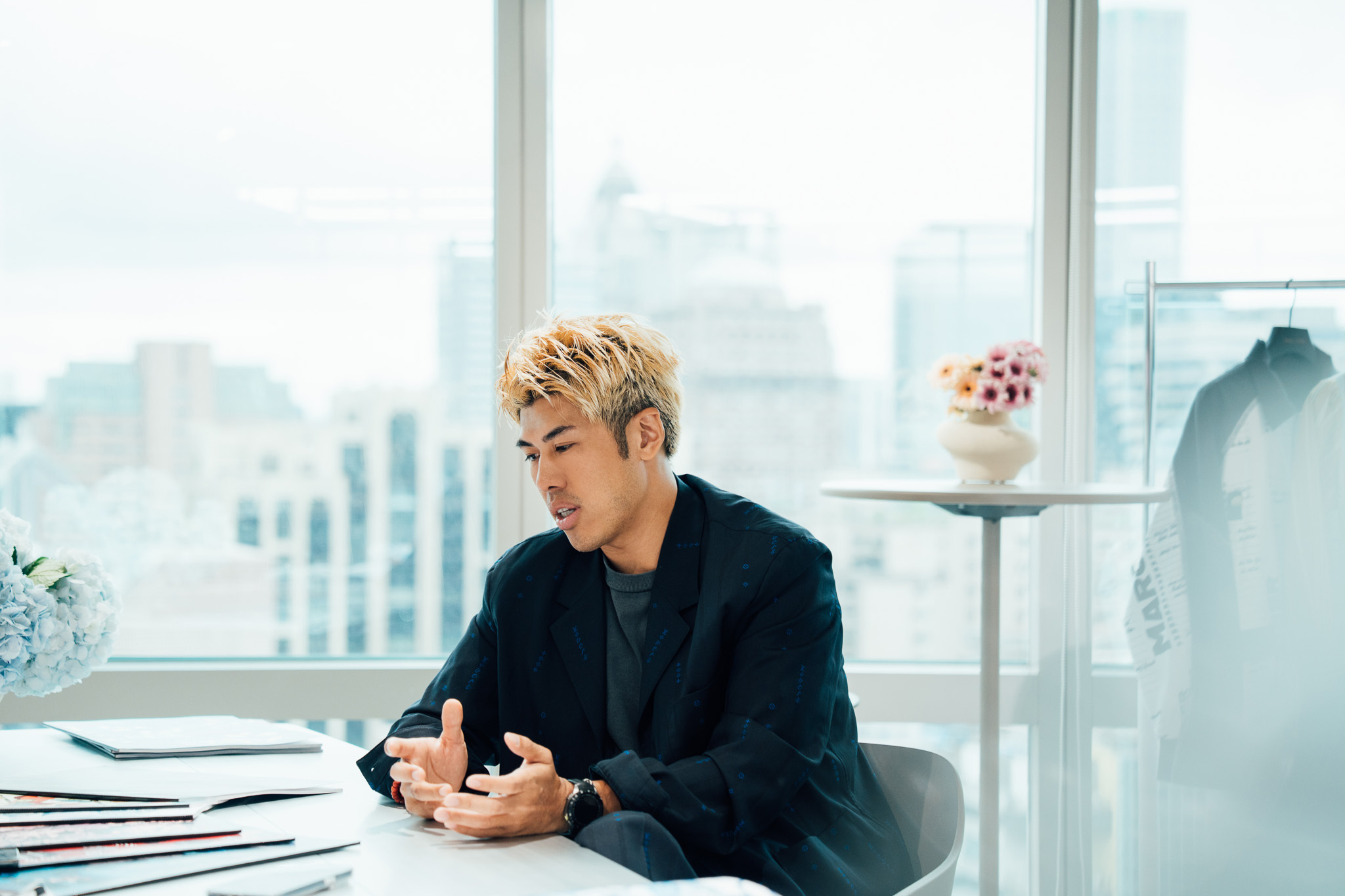
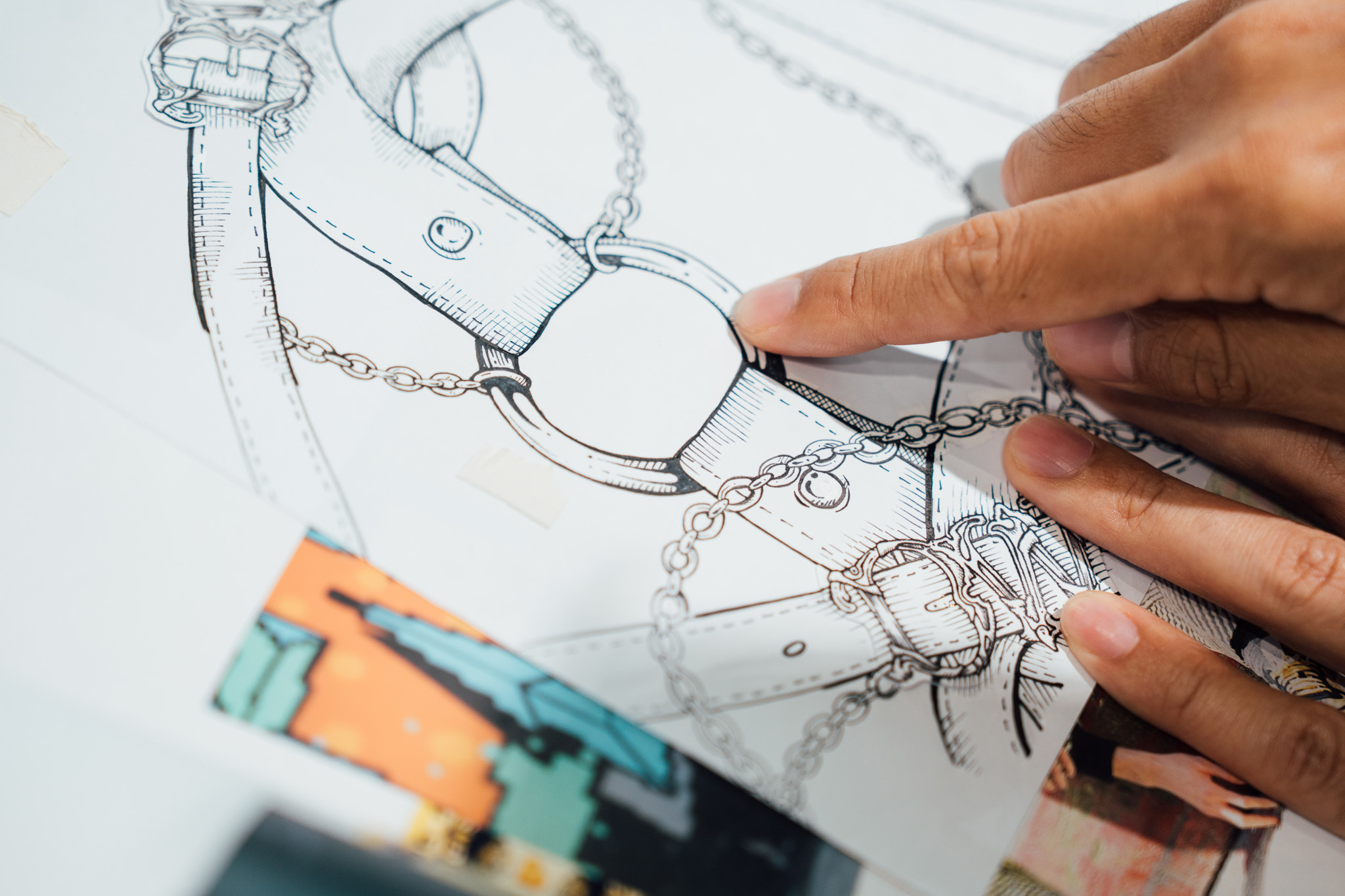 Daniel has an intimate understanding of the techniques behind hand-drawn prints, and carefully explains the key reasons the brand continues to insist on hand drawing, as well as the captivating details within the process.
Inspired by Office Life, “WORK IN PROGRESS” Reimagines Workwear
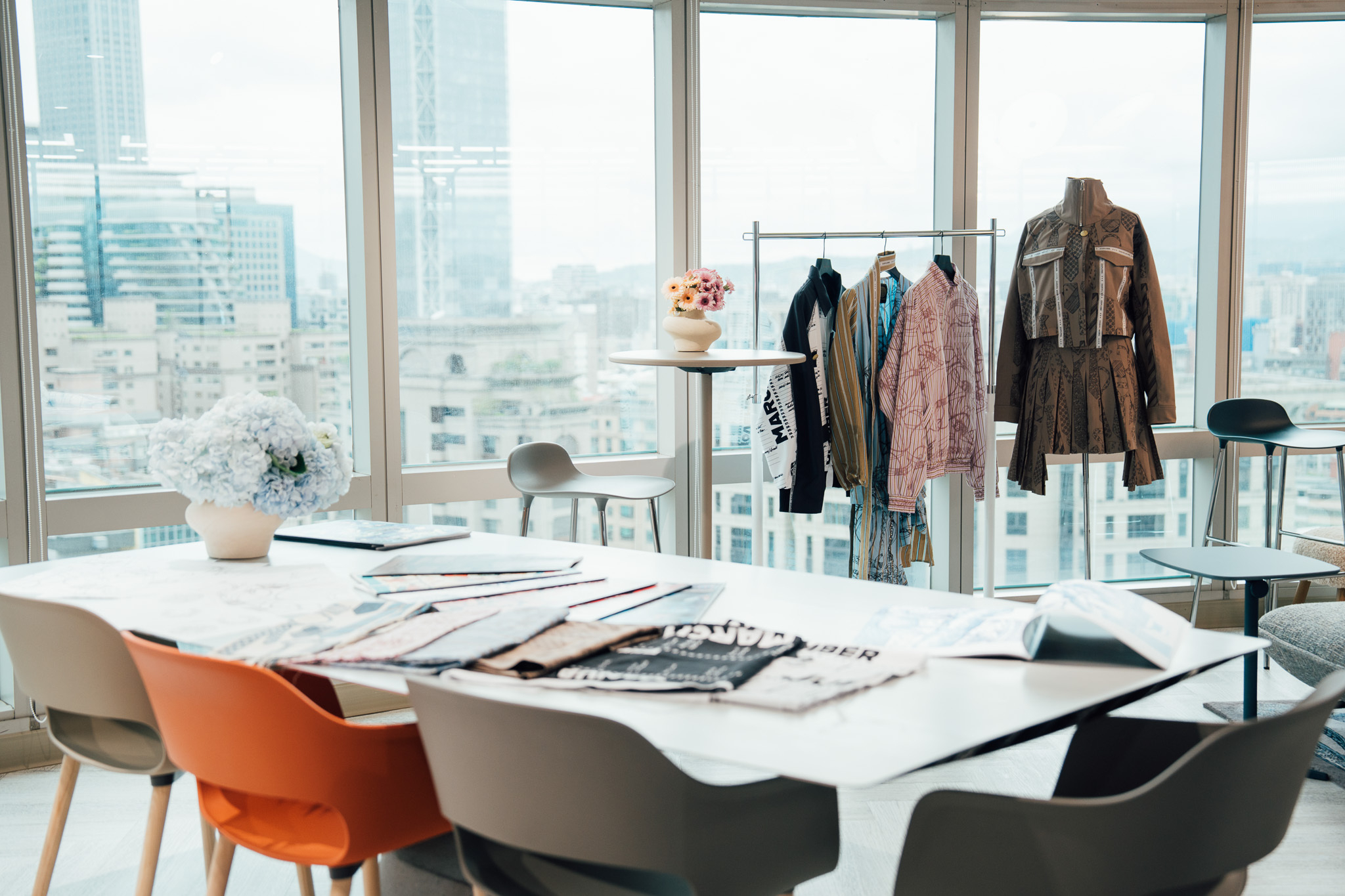
For Daniel Wong’s latest Autumn/Winter 2026 collection, WORK IN PROGRESS, recently presented at Taipei Fashion Week AW26, the designer transformed his previously wild and expressive prints into visual codes familiar to office workers. Speaking about the inspiration behind this season, Daniel admits that it actually came from a personal frustration. “I was troubled by what I should wear every day when going out for meetings. I don’t love suits, but I do like dressing formally, so I’ve always wanted to find something that exists between a suit and non-suit. That kind of clothing is very hard to find.”
“The office is not only a place of work, but also a continuous operating system made up of spatial arrangements, time rhythms, and repeated behaviors. Within this structure, order is constantly established, visual and behavioral patterns form regularity, and creativity continues to generate and transform within it.” — Daniel Wong
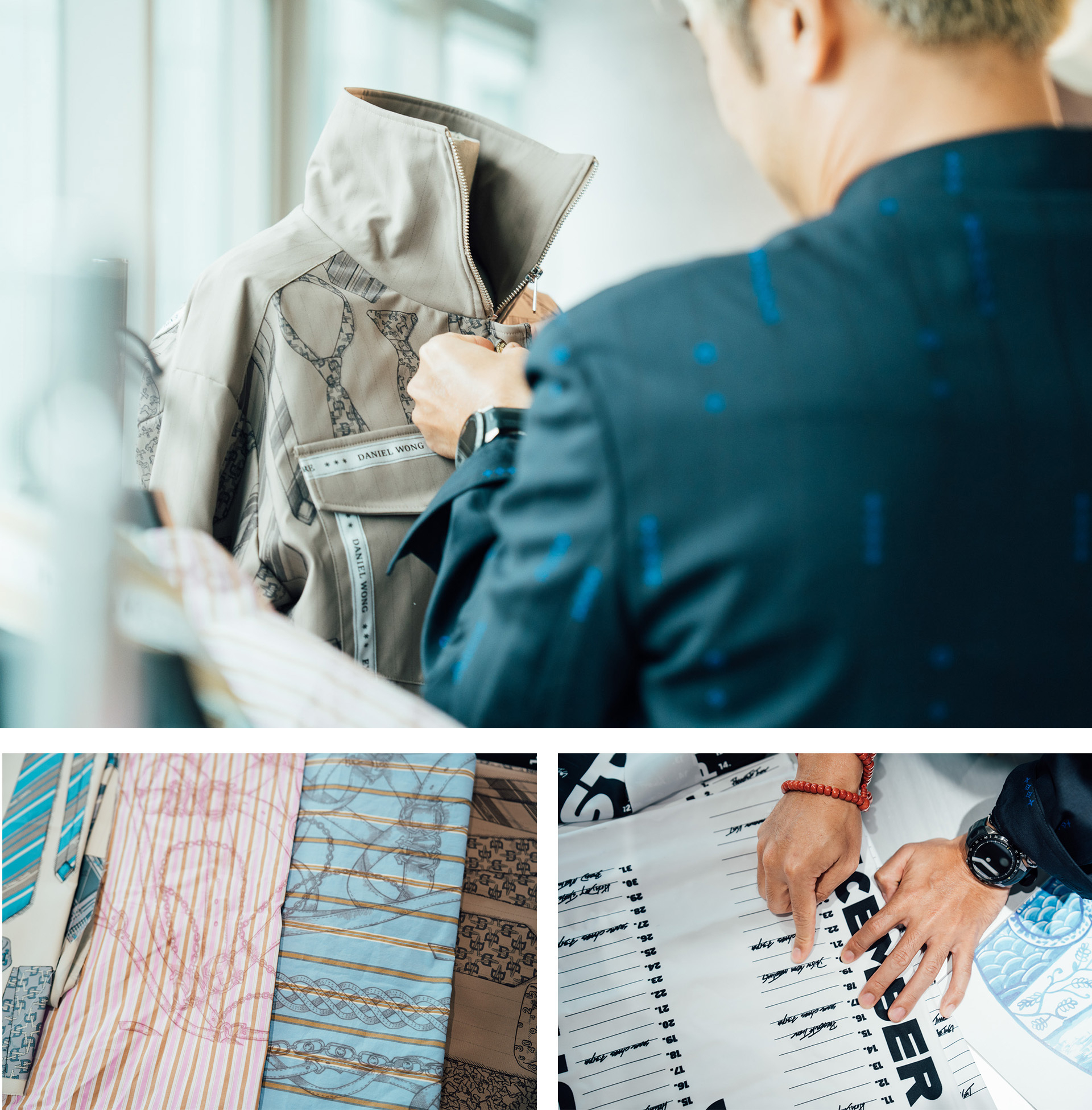
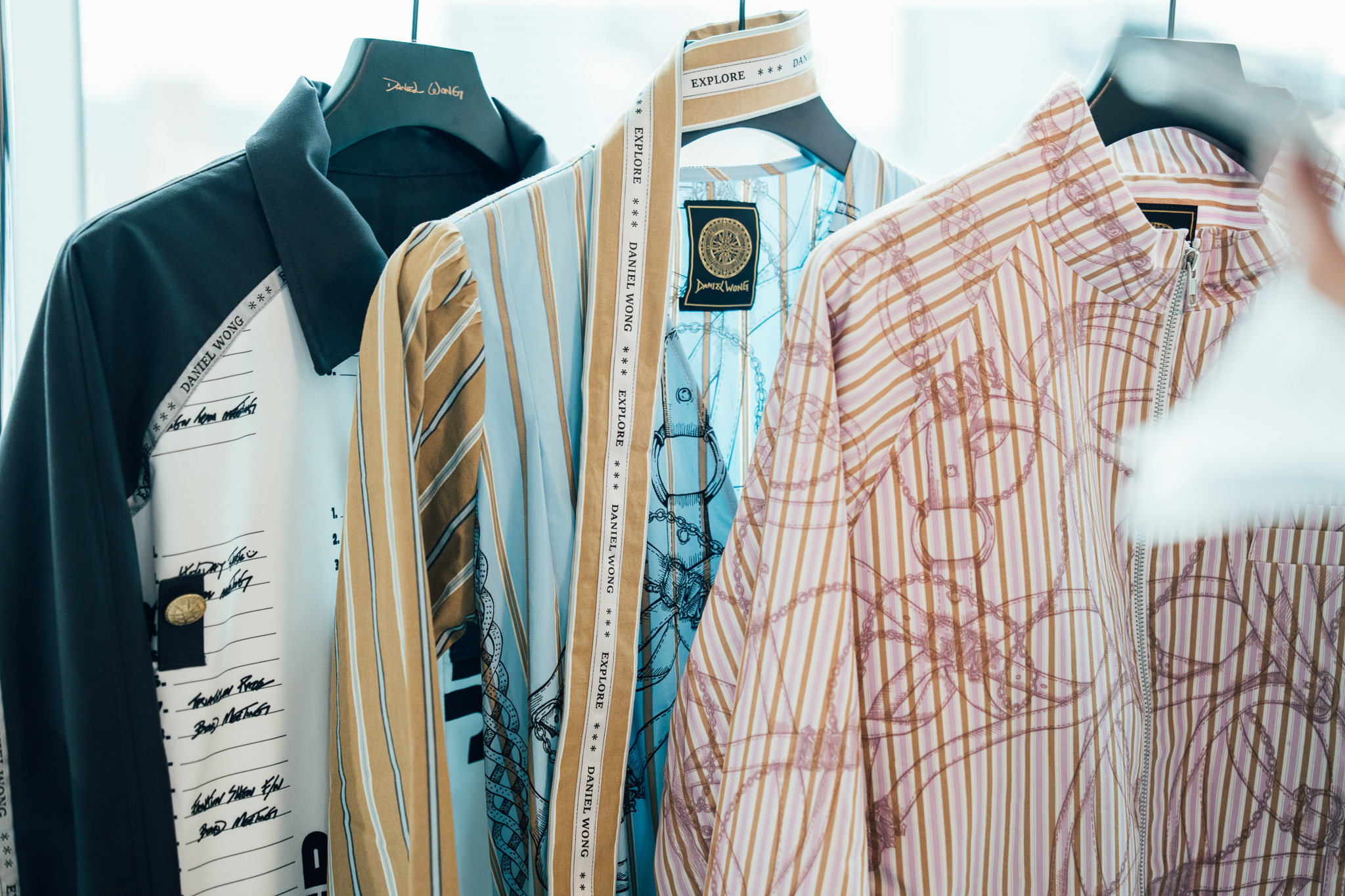
Daniel Wong’s Fall/Winter 2026 collection, “WORK IN PROGRESS,” takes forms, lines, grid systems and modular structures as key visual codes. Through different scales and arrangements, these elements extend into both the printed graphics and garment construction, with playful hidden details such as designer Daniel’s personal calendar woven into the collection.
With this in mind, Daniel began to reimagine “what going to work looks like.” In his designs, he sought to break away from the traditional framework of formalwear, allowing clothes to be colorful, individual, and design-driven, while still carrying a professional presence. In terms of tailoring, he deconstructed and reassembled officewear, transforming existing workwear structures into more fluid silhouettes. Collars are designed so that one side can stand up while the other lies flat; skirts feature asymmetrical front and back lengths; jackets retain structure but are made with lighter fabrics, giving them presence while allowing the body to move freely.
Through the combination and patchwork of different materials, the collection further strengthens its systematic and cohesive design language, striking a perfect balance between formality and freedom. Unlike the bold and expressive impression Daniel Wong has given in the past, the brand’s signature prints appear more restrained and composed this season. “There isn’t the lively atmosphere of before. This change was intentional, because the visual language of an office is orderly and regular, not noisy. So when designing the prints, I used more empty space, allowing the patterns to breathe instead of filling the entire fabric,” Daniel explains.
Although the collection is more understated, closer inspection reveals that Daniel has still hidden a sense of playfulness between the fabric and stitching. In addition to prints featuring ties and office objects, one design centered on notebook grids is especially witty. Pointing excitedly at the fabric, Daniel says, “That print was made from my own calendar! The dates, meeting schedules, and even my own birthday were all hand-drawn into the details with a 0.05mm technical pen, turning the garment into an everyday document that can be slowly read.”
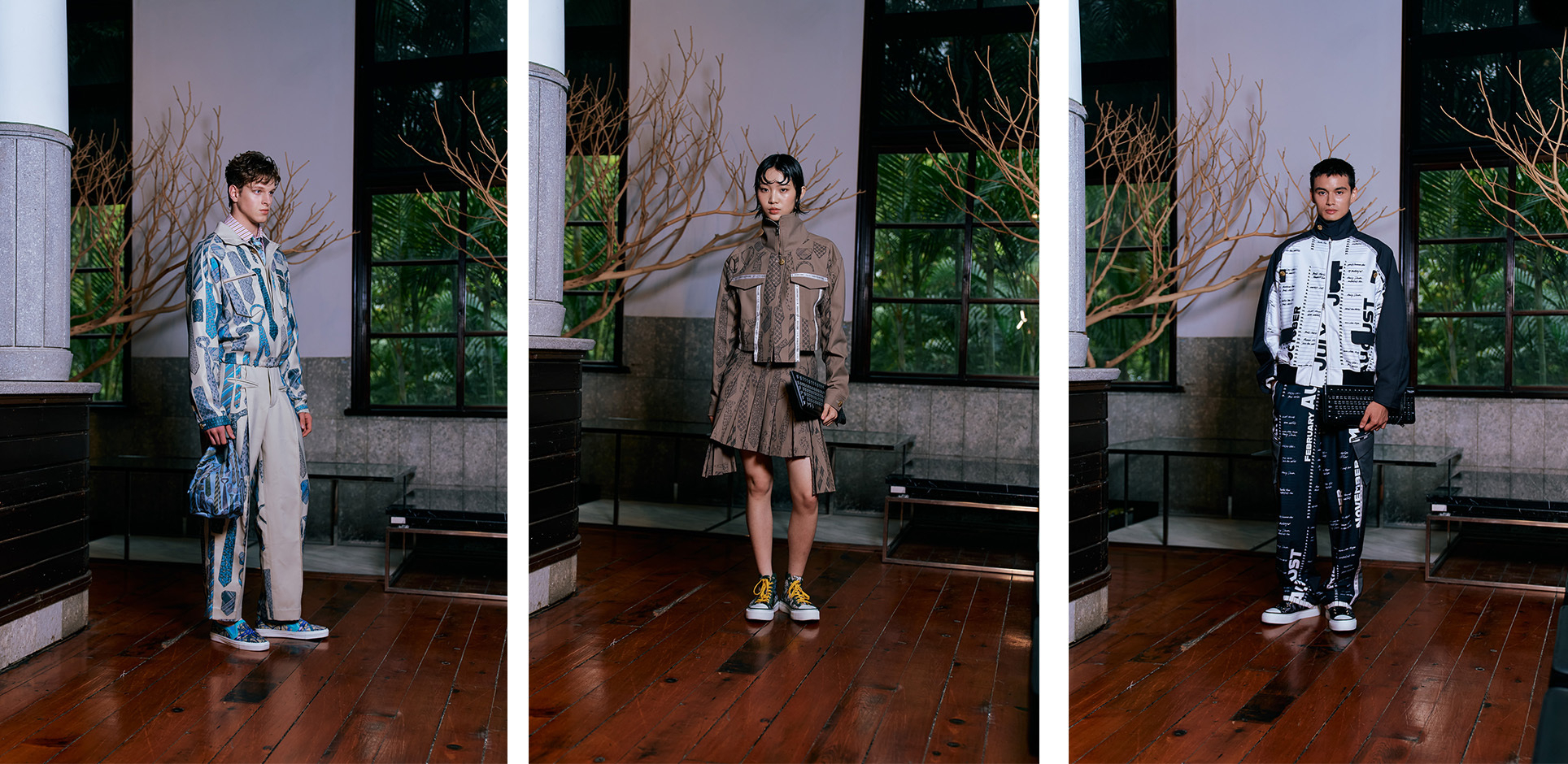
Photo courtesy of Daniel Wong; photography by Shawn Sun @shawnsun.photography.
From Presentation to Runway: A Layered Experience
Different from the brand’s previous format of focusing primarily on a runway show, this season Daniel Wong chose to begin with a Presentation, followed by a runway show, creating a multi-layered experience. The first stop took place at Not Just Library in Songshan Cultural and Creative Park, where the show began with retrospective videos telling the story of the brand’s journey. The team also brought out 12 years of hand-drawn originals, pattern research materials, and archival documents, allowing the audience to see how the brand had been built step by step before entering the new-season presentation. It became an exchange that was “not just about prints.” The second stop moved to the second-floor corridor of the North Tobacco Factory, where the collection was fully brought to life through a runway presentation.
Daniel shares, “This season truly embodies the theme of WORK IN PROGRESS. In order to achieve the best presentation, we kept making changes and adjustments. For example, the long corridor was not the original venue, but I happened to discover that the light there was beautiful, and the architectural space also echoed this season’s theme, so we decided on it.”
“Through the progression of melody and rhythm, the audience enters a state between order and emotion. We hope that clothing, prints, and spatial storytelling can intertwine with one another, strengthening the immersive and complete nature of the overall concept.” — Daniel Wong
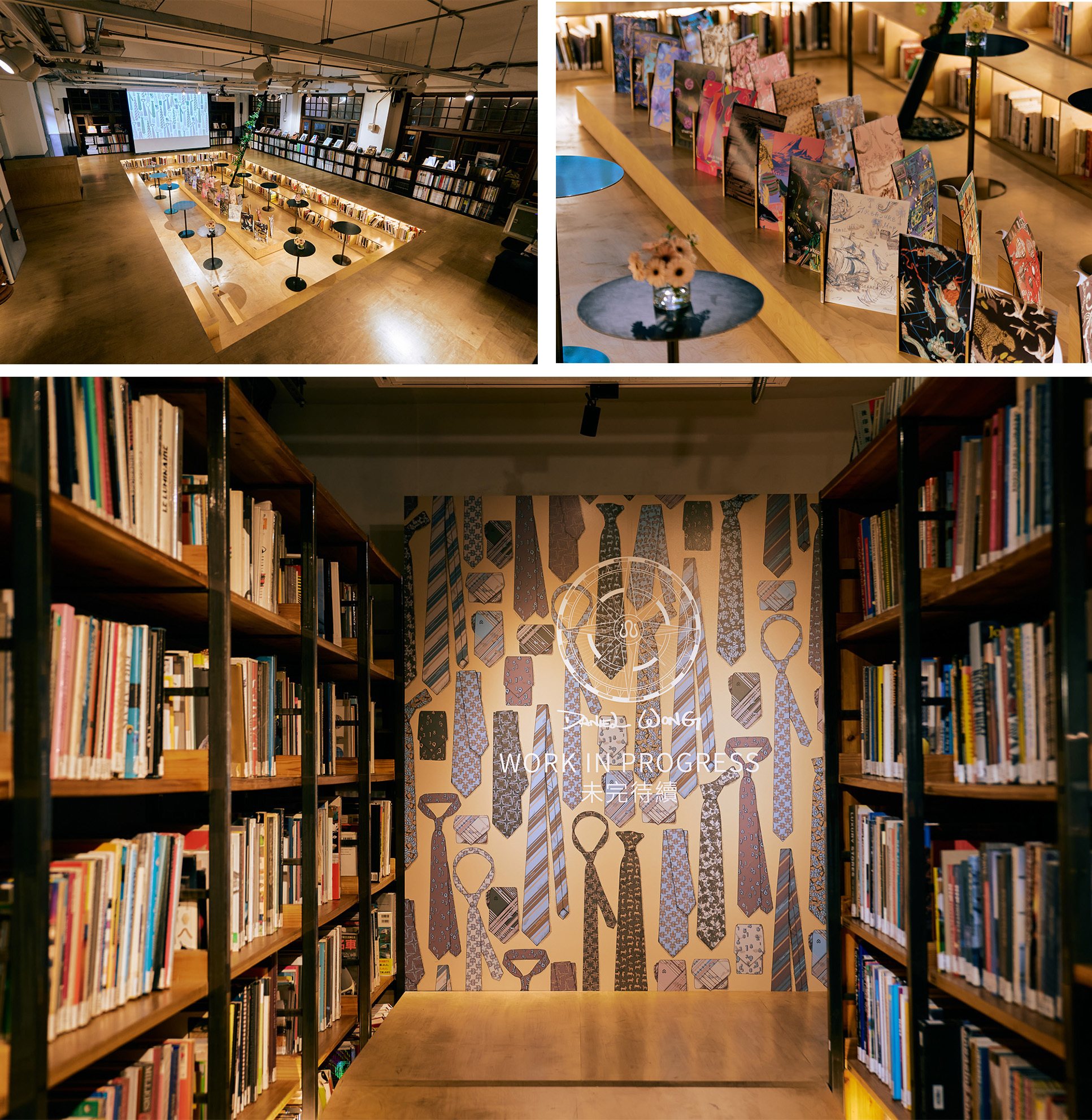
Daniel Wong opened its AW26 season with a presentation at Not Just Library in Songshan Cultural and Creative Park. The brand also created a dedicated brand book, showcasing an archive of hand-drawn originals, pattern research materials and other highlights from the past 12 years. Photo courtesy of Daniel Wong; photography by Shawn Sun @shawnsun.photography.
Accompanied throughout by singer-songwriter Kowen Ko’s live vocals and guitar performance, the models slowly stepped out from the long corridor. Within a soundscape carrying a tone reminiscent of an office worker’s “Monday blues,” familiar office items such as keyboards, mice, and computer bags appeared on the models as playful and humorous highlights. Daniel describes the image he had in mind: “I wanted a feeling that was very quiet and intimate, with a sense of melancholy, echoing this season’s calm and precise visual tone.”
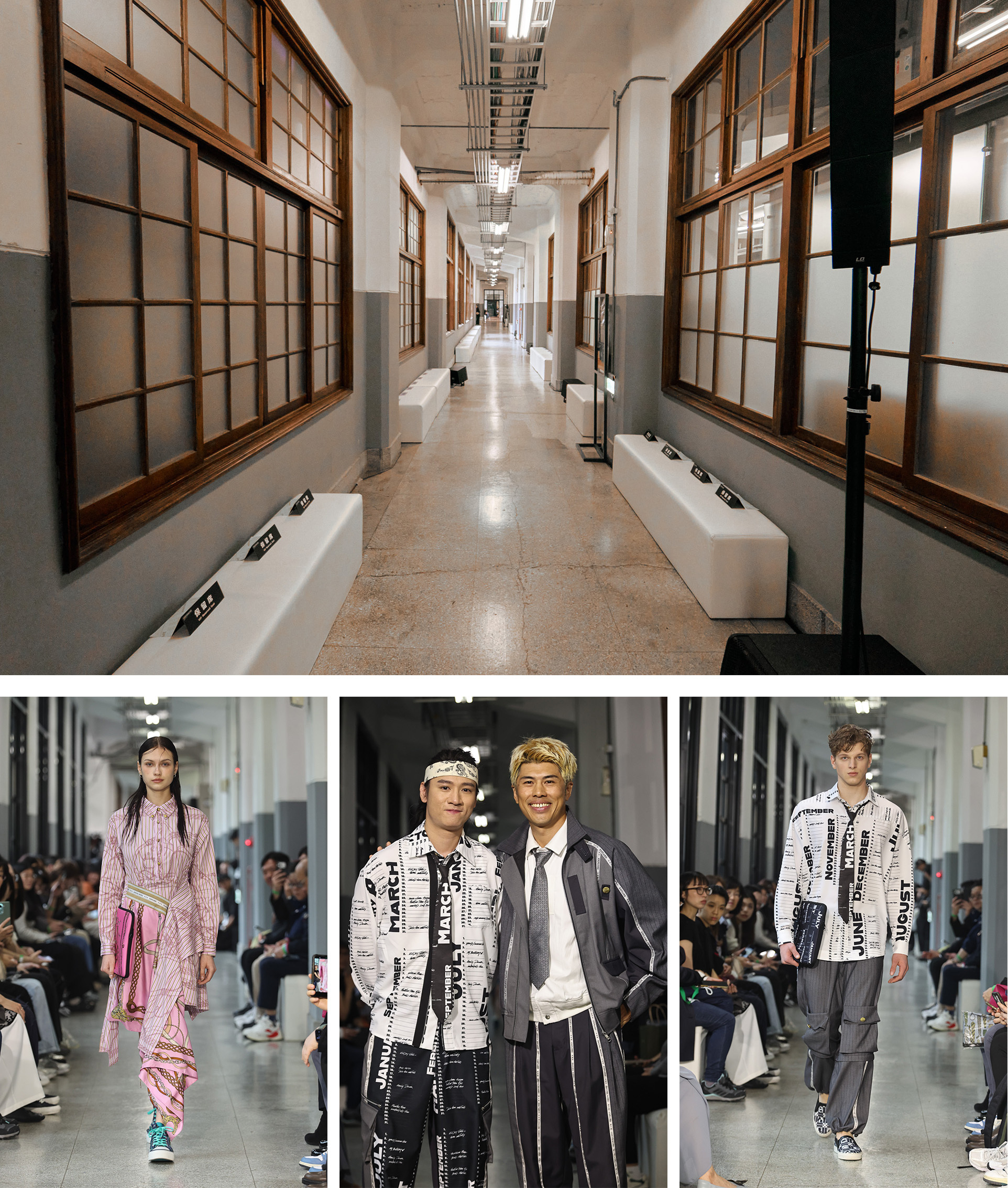
Daniel Wong then continued with a runway show along the second-floor corridor of the North Tobacco Factory at Songshan Cultural and Creative Park, presenting the AW26 collection to the live vocals of singer-songwriter Kowen Ko, pictured in the bottom row, center.Photo courtesy of Daniel Wong; photography by Shawn Sun @shawnsun.photography.
Taiwan Fashion Is Growing, but More Practical Infrastructure Is Needed
Having participated in Taipei Fashion Week many times, Daniel has also observed certain changes. Compared with previous years, when presentation formats were more easily influenced by a unified structure, he felt that this edition offered more breathing room, allowing designers to focus on the elements they personally valued without needing to align with a collective expectation. “The subjectivity of designers has returned a little. That is very important,” he says. Drawing from past experience, Daniel also suggests that Taipei Fashion Week could take reference from the showroom mechanisms of international fashion weeks. After the runway shows, a B2B exchange day could be established, gathering participating brands in one place and opening them to buyers, so that they can examine details, silhouettes, and materials up close, discuss on-site, and place orders directly. “This is how the commercial conversion efficiency of the entire market can truly improve, allowing fashion week to evolve from an event into a system with real industrial function.”
After completing a major show, concerns about how to present the next season soon follow. But Daniel says that the most important task at this stage is to reorganize this season’s works into versions that are more suitable for the market and can truly enter everyday wardrobes. “This is a very practical and somewhat tedious process, but it is exactly why our brand has been able to last for more than 10 years. The show is expression; putting clothes on the rack and selling them is the ultimate goal.”
“I have always believed that a brand is not just about making clothes. It is about building a world, centered around the same visual language and creative logic.” — Daniel Wong
Another key development this season lies in the brand’s repositioning of “prints.” Daniel Wong extracts prints from a single language of clothing and, through the integration of imagery, structure, and system, transforms them into possibilities across different media and spaces. This also reflects Daniel’s vision for the brand’s future. He remains committed to the same belief: that Daniel Wong should continue moving forward along the path of pattern IP, cross-disciplinary applications, and lifestyle extensions. Just like his endless inquiry into life, he says: “Any possibility interests me. As long as the core of creation has not changed, I believe we are doing the right thing.”
About the Brand|Daniel Wong
Daniel Wong centers his creative practice on “exploration,” using a detailed and powerful visual print language to create a confident, modern aesthetic. The brand spans fashion, cross-industry collaborations, NFTs, curatorial projects, and other fields, demonstrating diverse creative possibilities.
About the Designer|Daniel Wong 黃偉豪
Born in Canada and raised in Scotland, Daniel Wong was immersed in diverse cultures from an early age. Having lived in Hong Kong, Taiwan, London, Milan, and other cities, he developed a unique cross-cultural aesthetic and international perspective. Coming from a mixed heritage background, his creative style is distinctive, skillfully blending conflict and harmony, classicism and avant-garde.
Brand Website: https://www.danielwong-shop.co/
Contact: service@danielwong.co