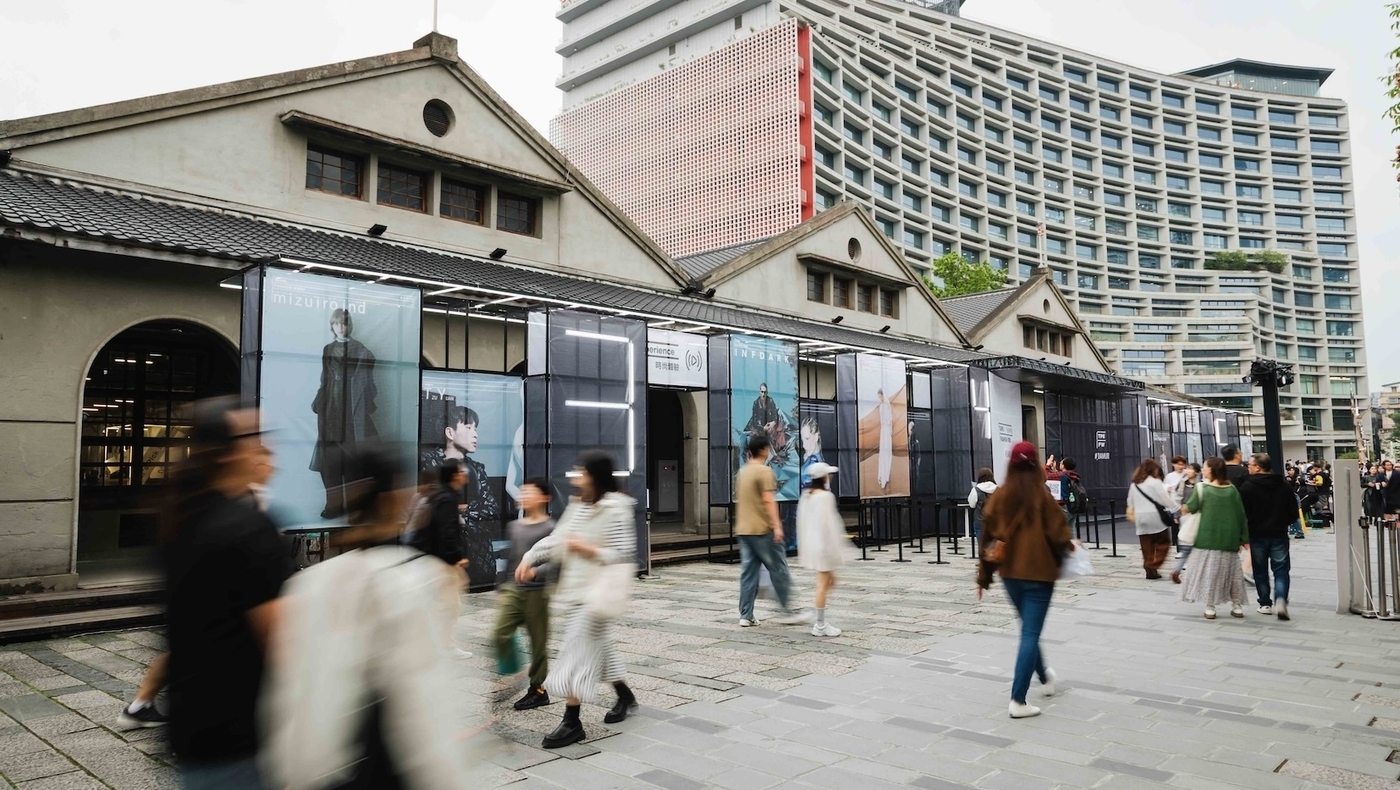
“Taipei Fashion Week AW26” concluded successfully yesterday (March 29). Over the four-day event, the program featured 12 domestic and international designer Runway shows, 5 Events, and the Editor’s Pick Curated Market featuring 18 participating brands. Through diverse show formats, new business exchange models, precise international matchmaking, and expanded public participation, AW26 marked a new chapter in the transformation of Taipei Fashion Week. The Ministry of Culture announced that the upcoming SS27 season will move to the Taiwan Contemporary Cultural Lab (C-Lab), a newly emerging art and cultural space in the heart of Taipei, set against the backdrop of a national heritage building, to engage more of the public and showcase Taiwan’s fashion appeal.
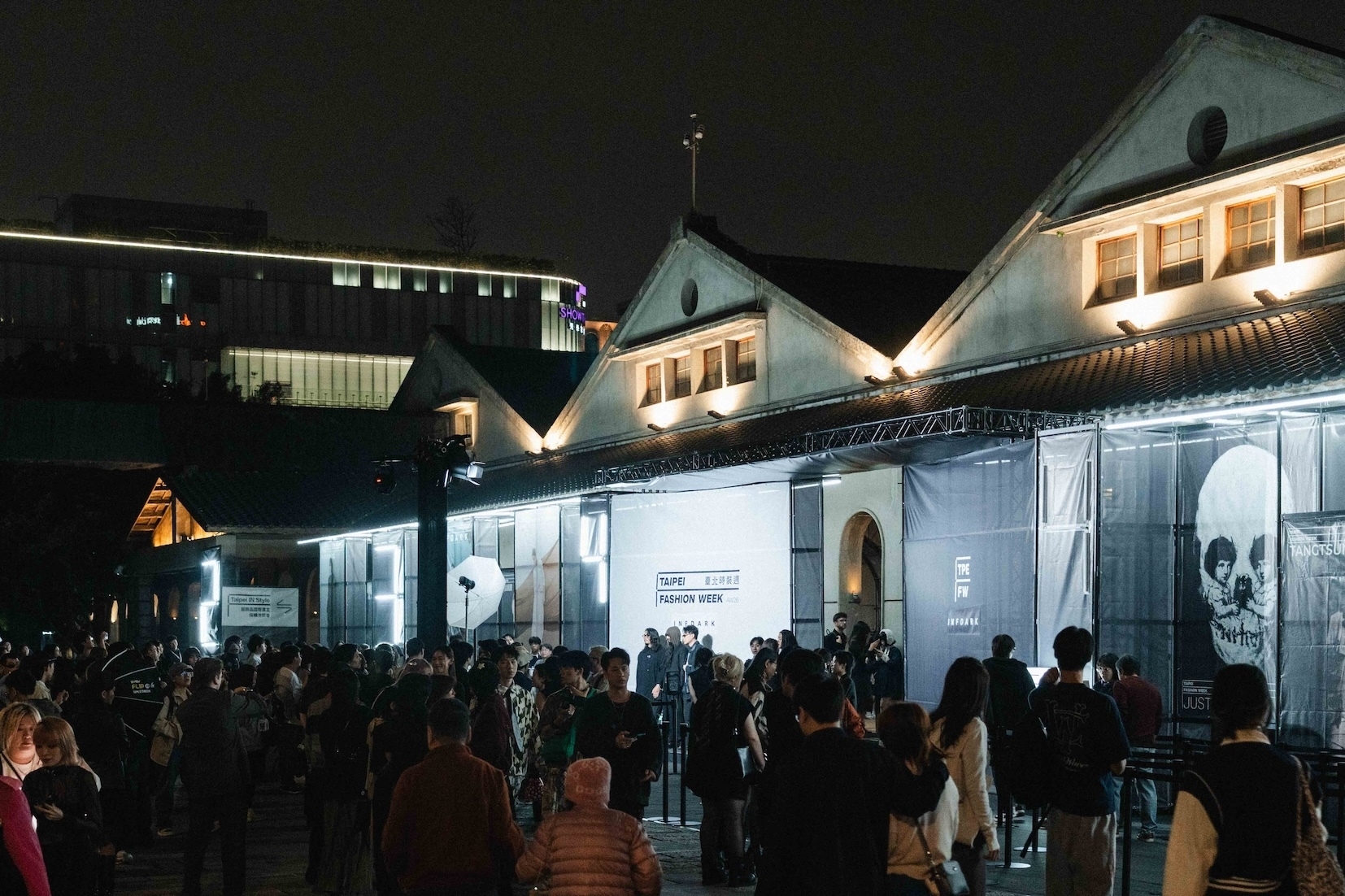
The Ministry of Culture stated that Taipei Fashion Week AW26 collaborated with the Taiwan Design Research Institute (TDRI) for the first time. With the ongoing support of the Taiwan Textile Federation (TTF), the event brought together over 50 domestic and international buyers from 10 countries, 50 media outlets, and more than 60 design brands, generating an output value of NT$260 million. Additionally, public attendance reached a record high of 25,776 visits, reflecting a steady growth in public support for the event.
Runway
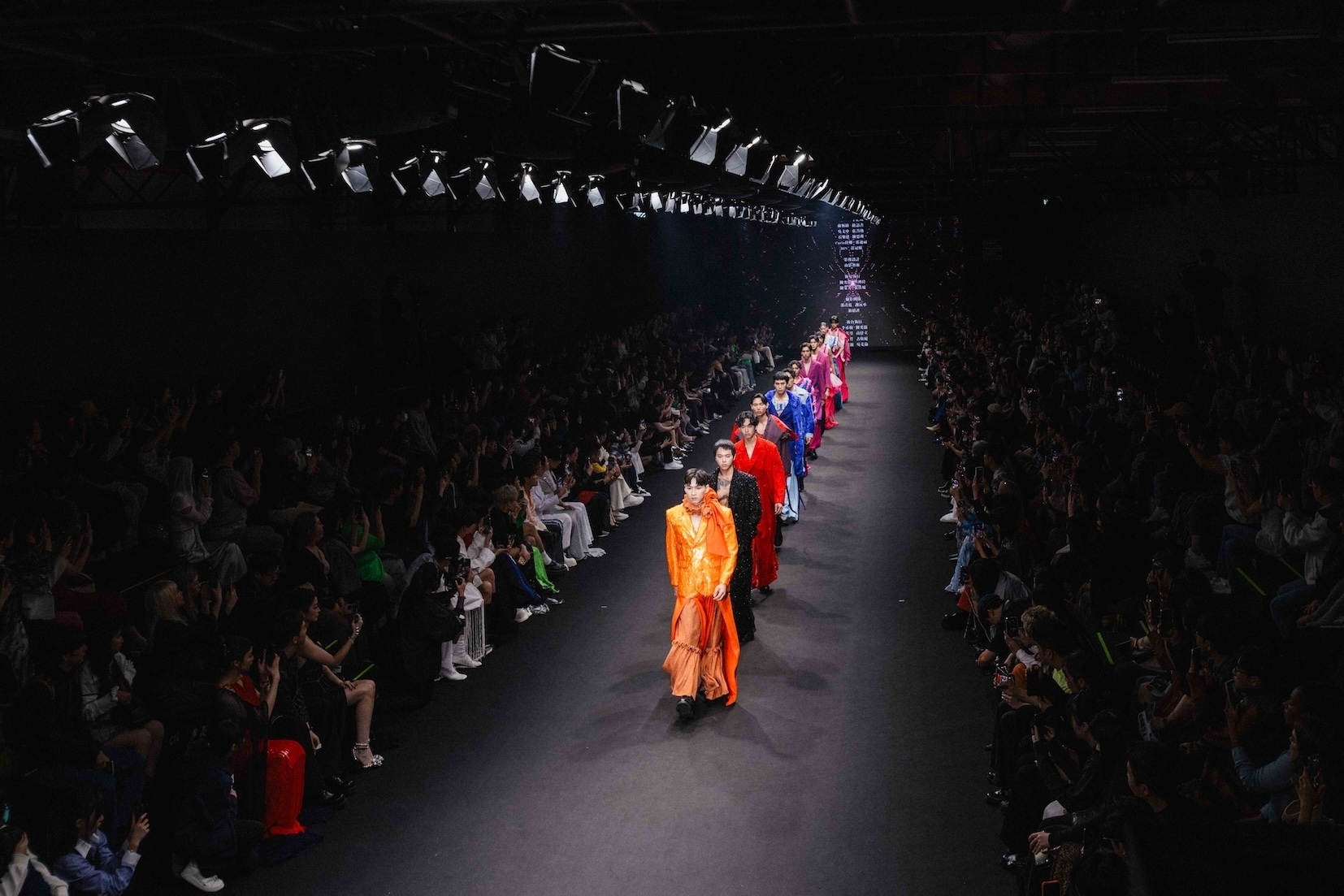
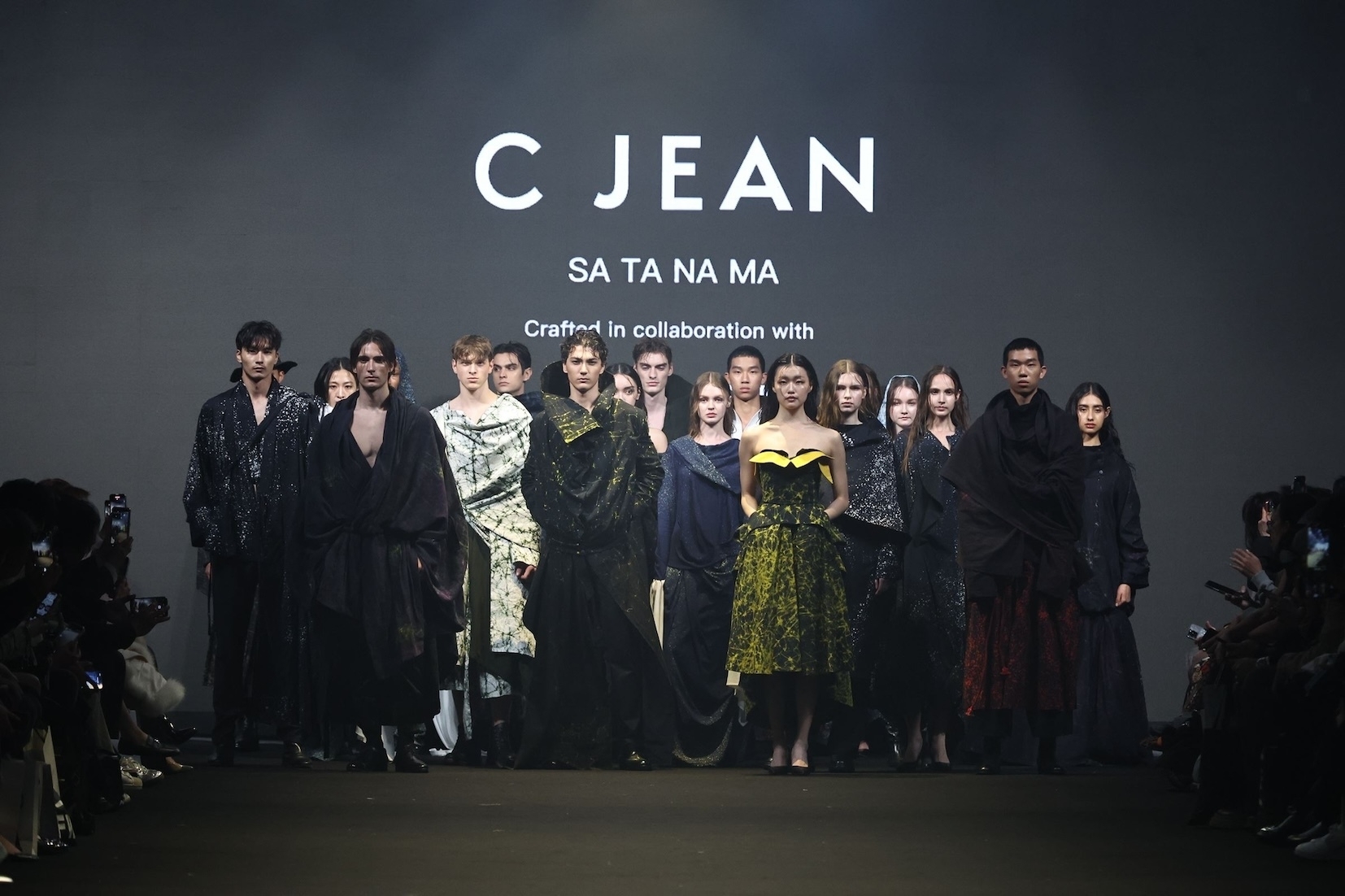
C JEAN opened the Runway with the theme “SA TA NA MA,” four syllables in ancient Sanskrit representing “birth, life, decay, and rebirth.” Designer Jean Chun-yuan invited Master Fazang of Nanxi Wanfo Monastery as the show’s “Philosophy and Art Mentor” and collaborated with Kyoto’s SHOBIEN Roketsu dye workshop to translate millennium-old craftsmanship into contemporary fashion.
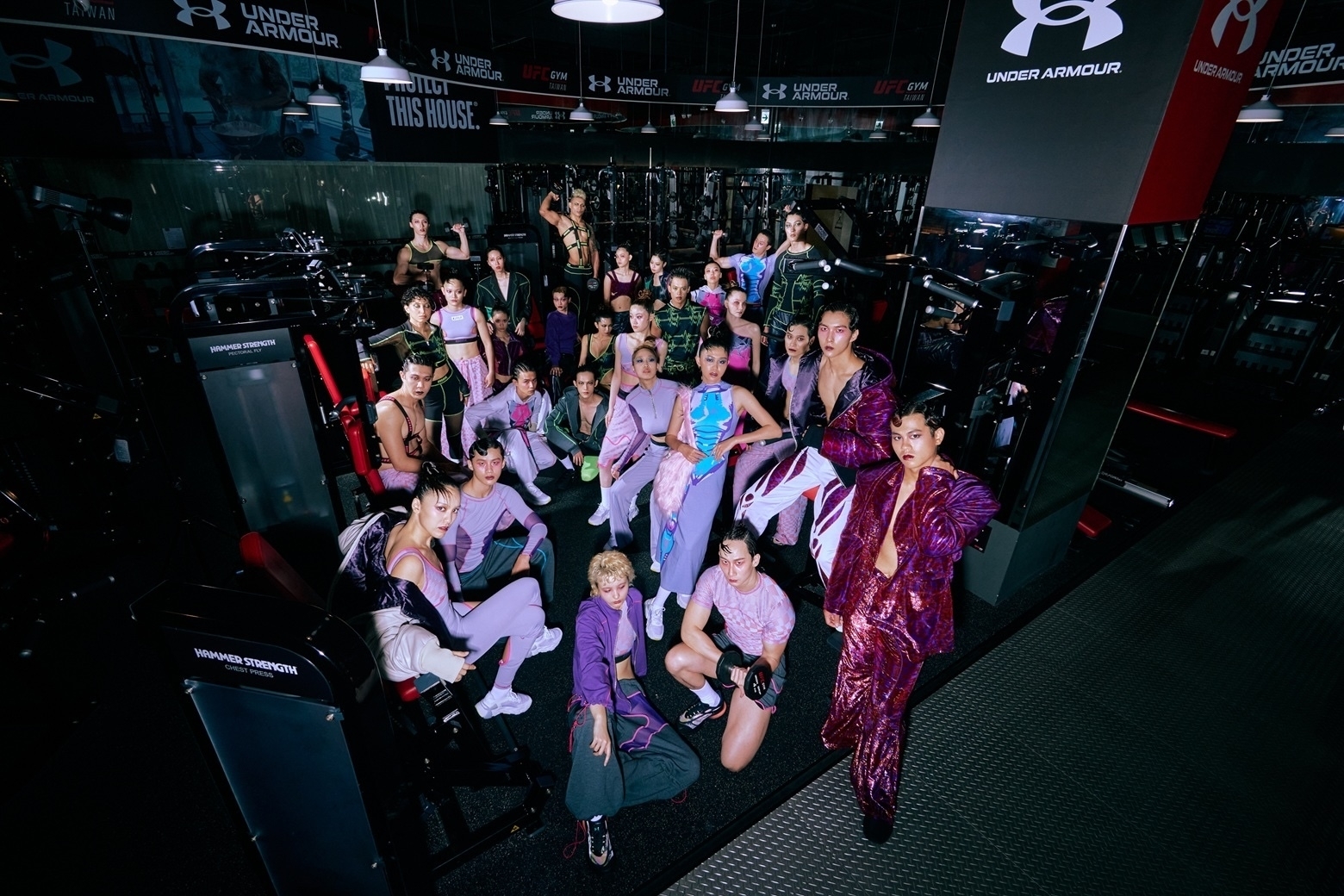
DAMUR’s show, “The Mind Fighter,” integrated “physical training” and “mental states” into fashion language, conveying the philosophy that “the greatest opponent in life is oneself” and that “life is not a battle against the world, but a personal cultivation,” demonstrating that fashion can be a dialogue with body, willpower, and pressure beyond mere appearance.
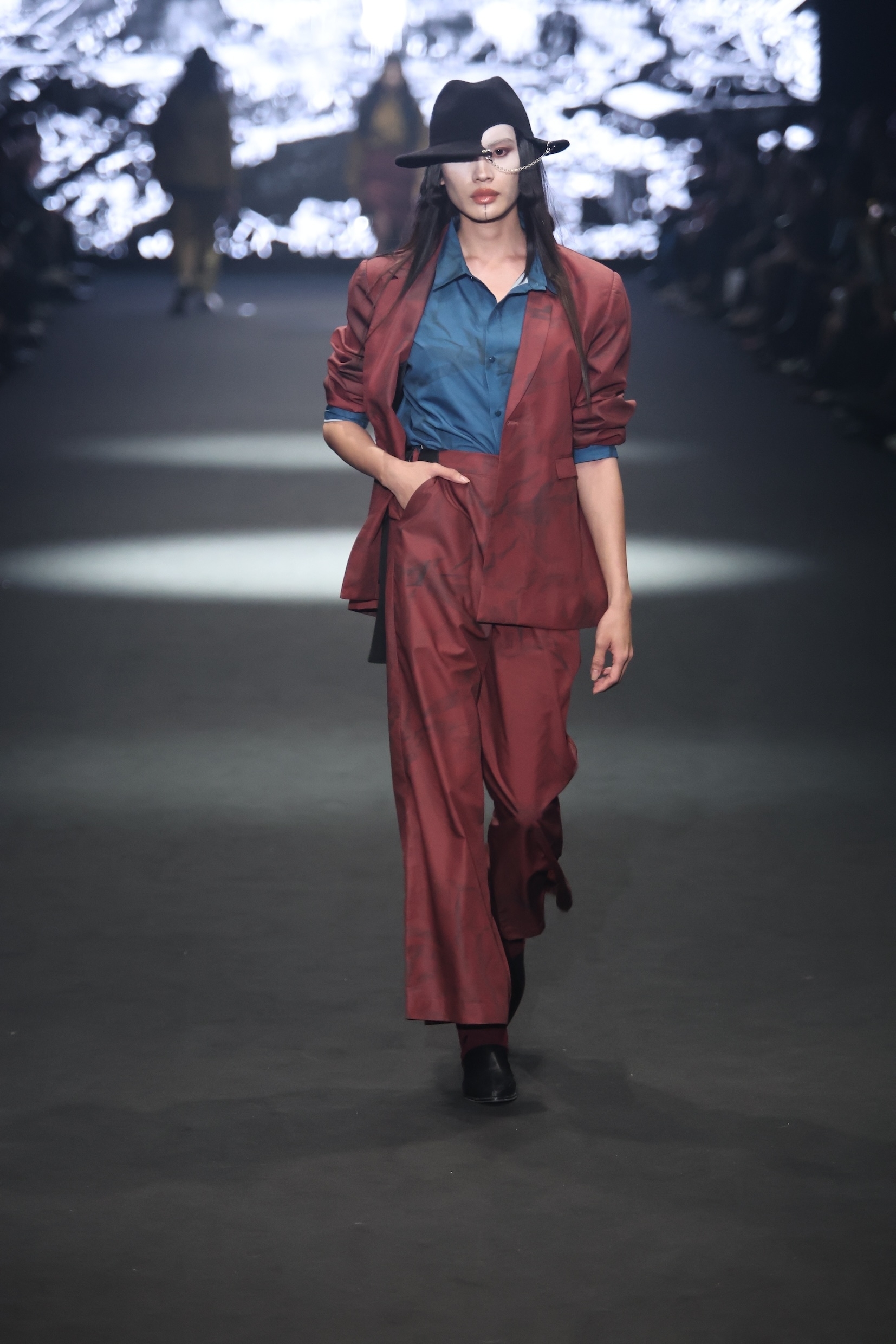
INFDARK transformed its Runway sow into an immersive narrative of post-apocalyptic survival. Through a language of deconstruction and reconstruction, the collection turned the concept of "unfinished" into a state of continuous becoming. The prints, inspired by crumpled pattern paper, symbolize the repetitive cycle of revision and rebuilding inherent in the design process. No longer pointing to a single conclusion, the garments became an evolving form of existence, opening up new possibilities for the future of fashion.
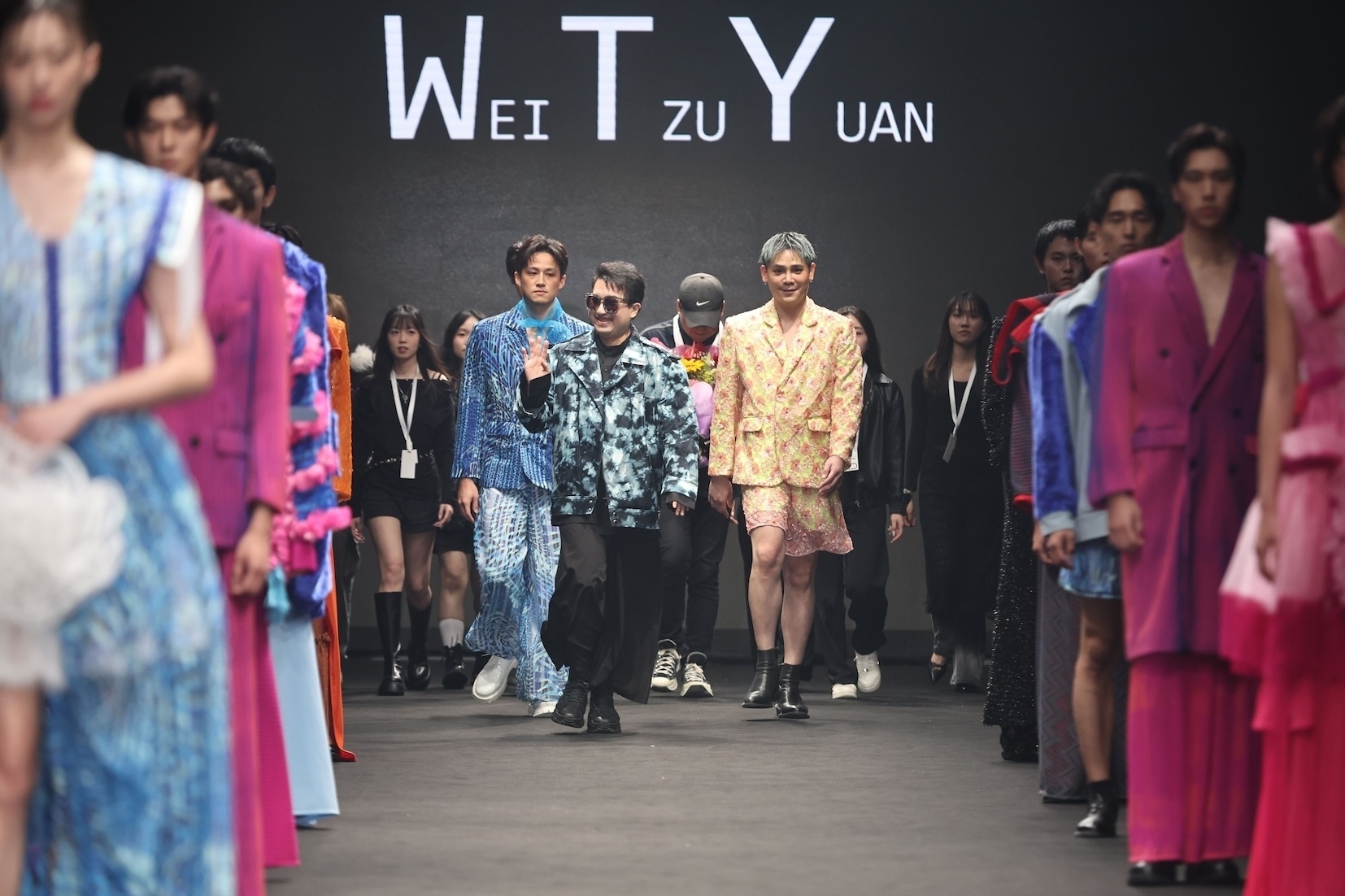
WEITZUYUAN drew inspiration from the sea goddess Mazu and the Greek god Poseidon, combining strong shoulder pads and altar drapery details with sustainable fabrics. Using oceanic blues and the pink hues of a Mazu-themed sports car, the collection envisioned Taiwanese maritime guardians, echoing Mazu’s benevolence as a nurturing flow.
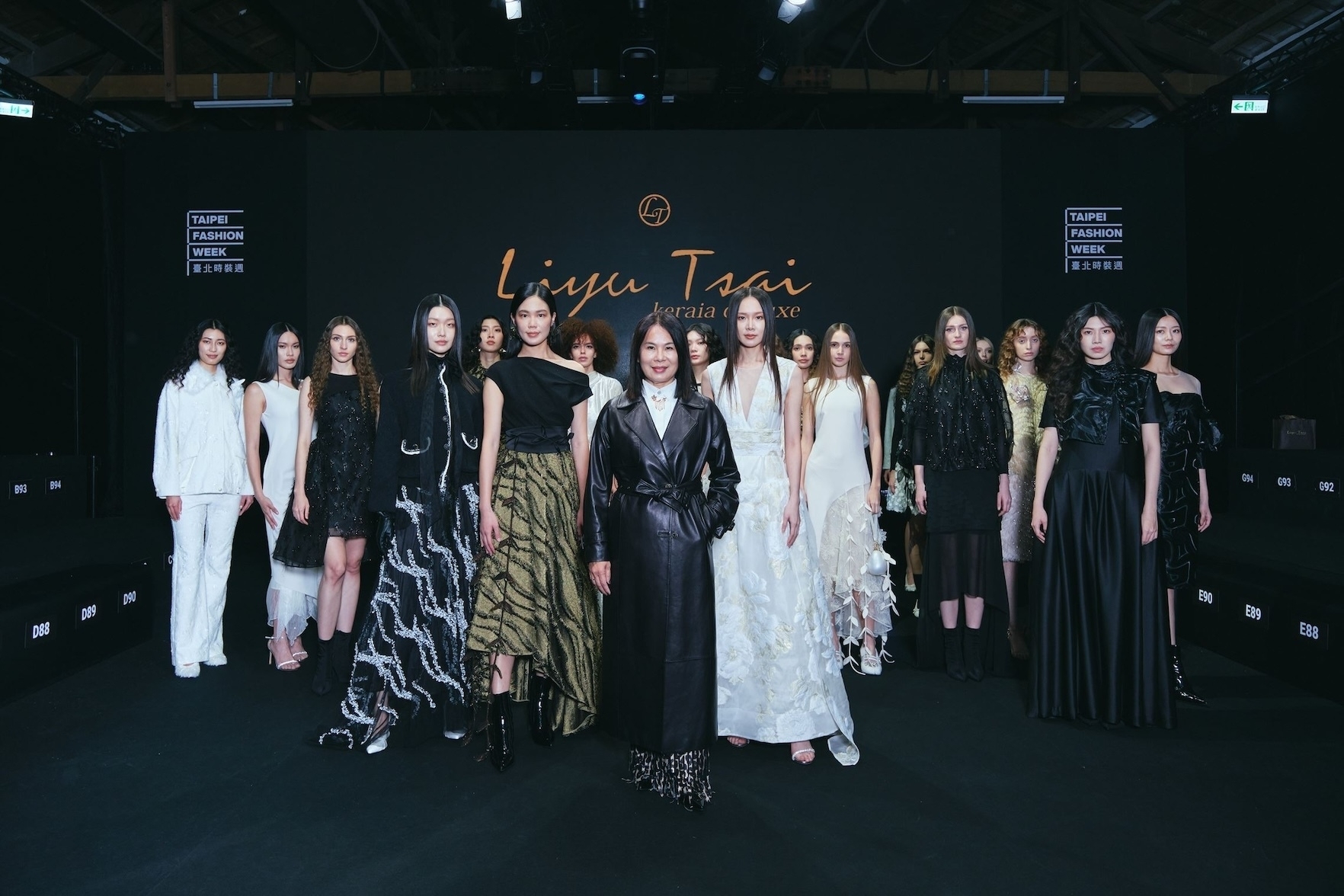
Liyu Tsai’s collection this season features an innovative haute couture approach, Cultivée, that centers on the concept of "accumulation." Massive volumes of fabric create a three-dimensional presence through draping and movement. By anchoring structure within softness, the silhouettes remain stable even in motion. Imagery of wheat stalks and olive branches is integrated into the tailoring, surfaces, and movement of the garments as subtle markers of maturity and inner strength.
Presentation
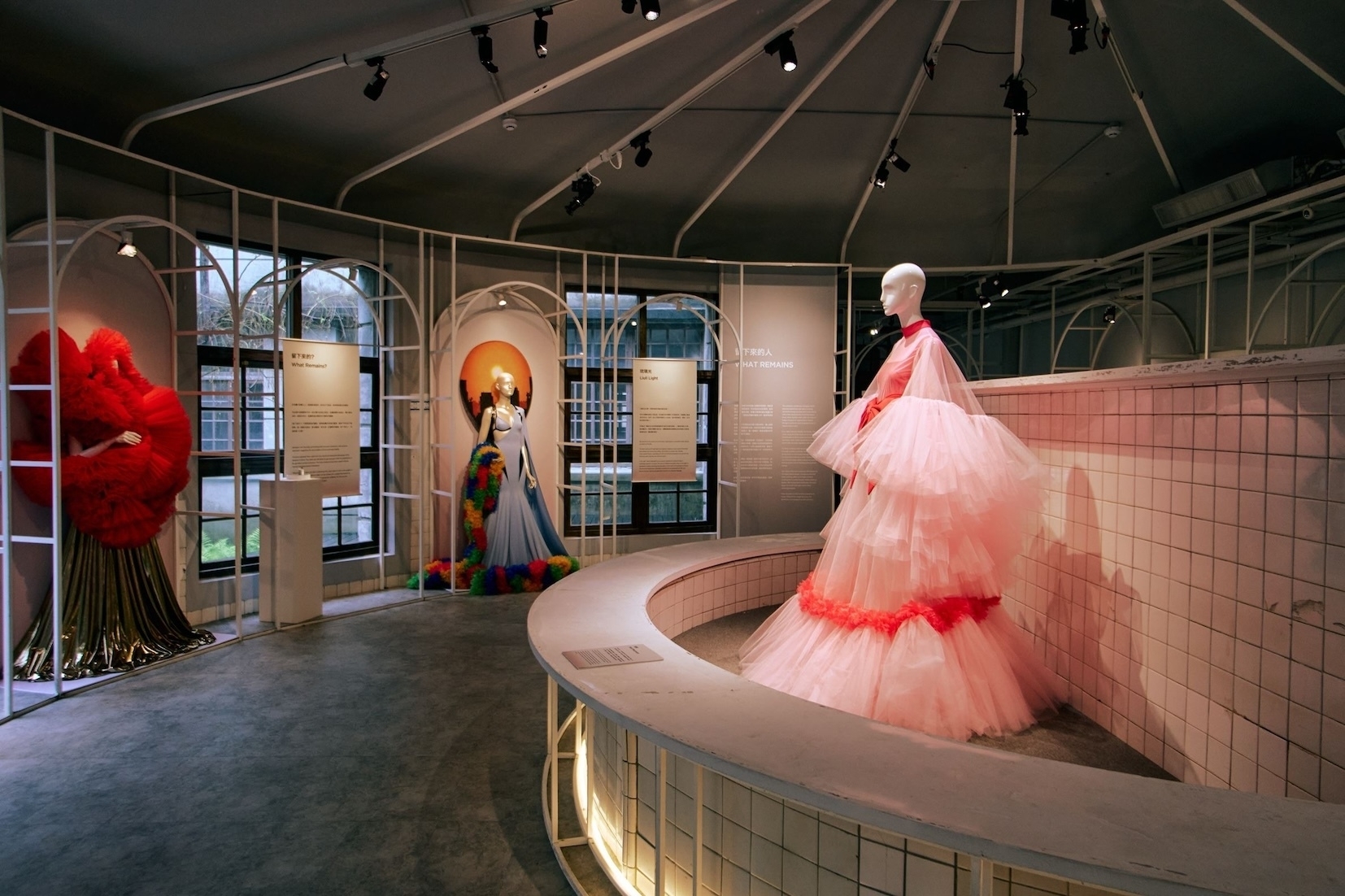
The Presentation series opened with BOB Jian’s "What Remains." Fusing sound art with a non-traditional exhibition space, the show formed a circular narrative through 10 refined couture gowns. One by one, the dresses led the audience on the designer’s private journey of healing, shifting the creative perspective from the flamboyant stage to an introspective dialogue on personal perception and existence.
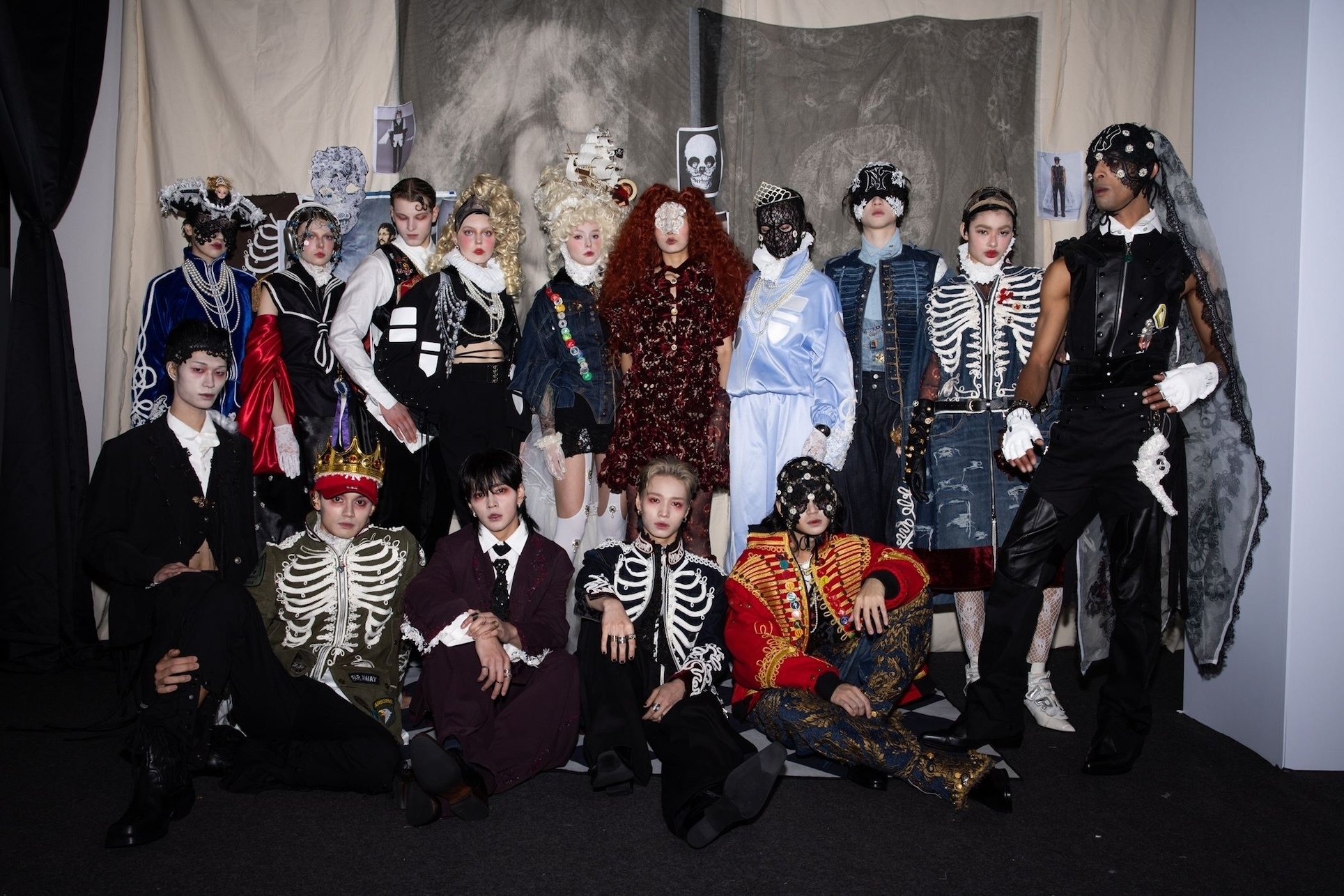
JUST IN XX designer Justin Chou transformed the "Idea Book" sketches from his apprenticeship, inspirations gathered from European museums, and antique clothing from flea markets into high-tension contemporary symbols. The show maintained a mysterious and powerful narrative atmosphere, subtly incorporating AI collaboration in the opening film and music. Amidst mist, light, and operatic sounds, viewers entered a "Night Museum" to experience an experimental return of the "soul of clothing."
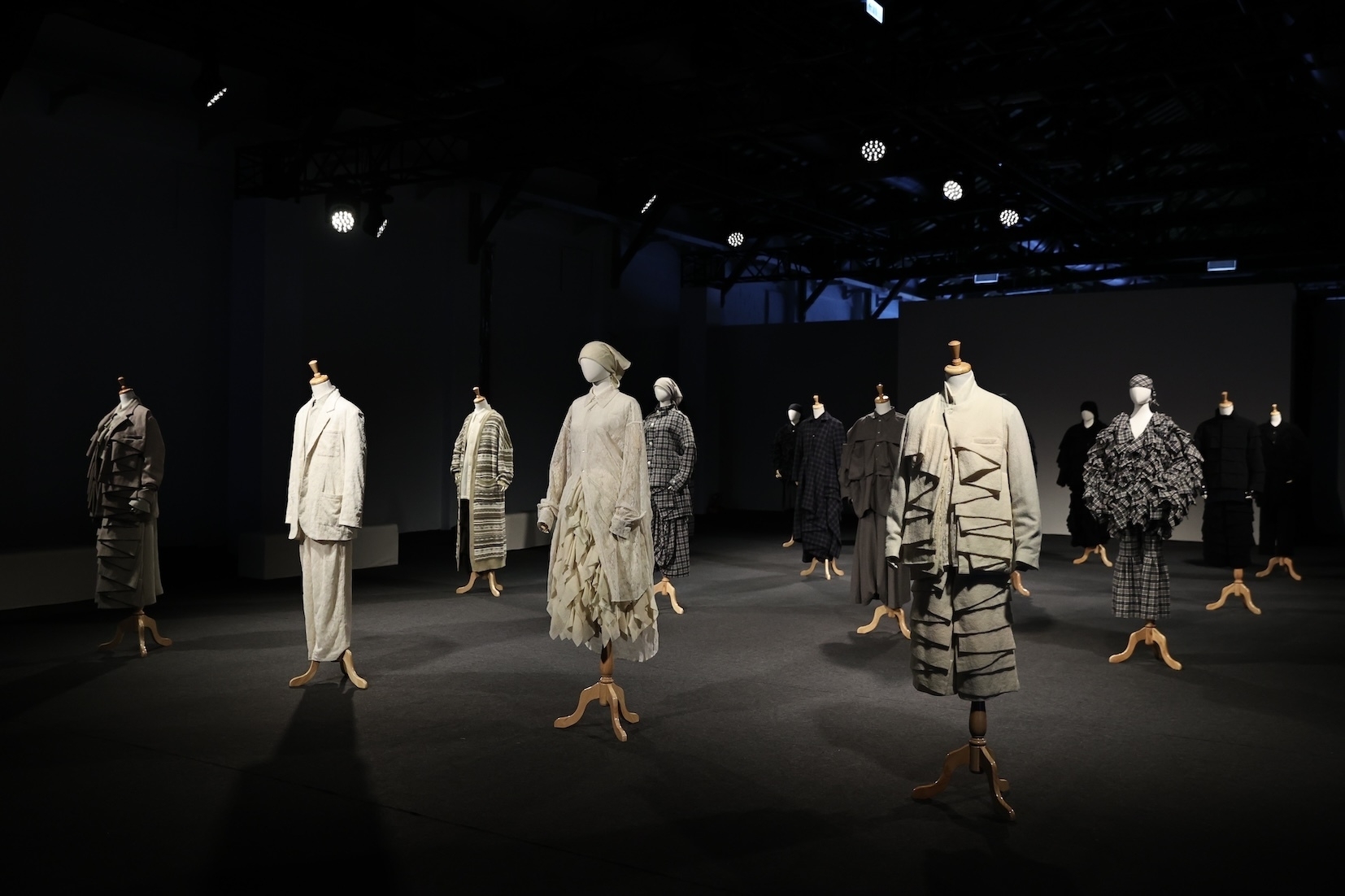
TANGTSUNGCHIEN articulated the idea that clothing is "not just an external look, but an existence that accompanies the body and carries both emotion and time." The Presentation featured 16 seasonal works, inviting the audience to weave between mannequins to observe the architectural silhouettes while static; in motion, these structures loosened and reorganized, revealing the fabric's weight, drape, and translucency.
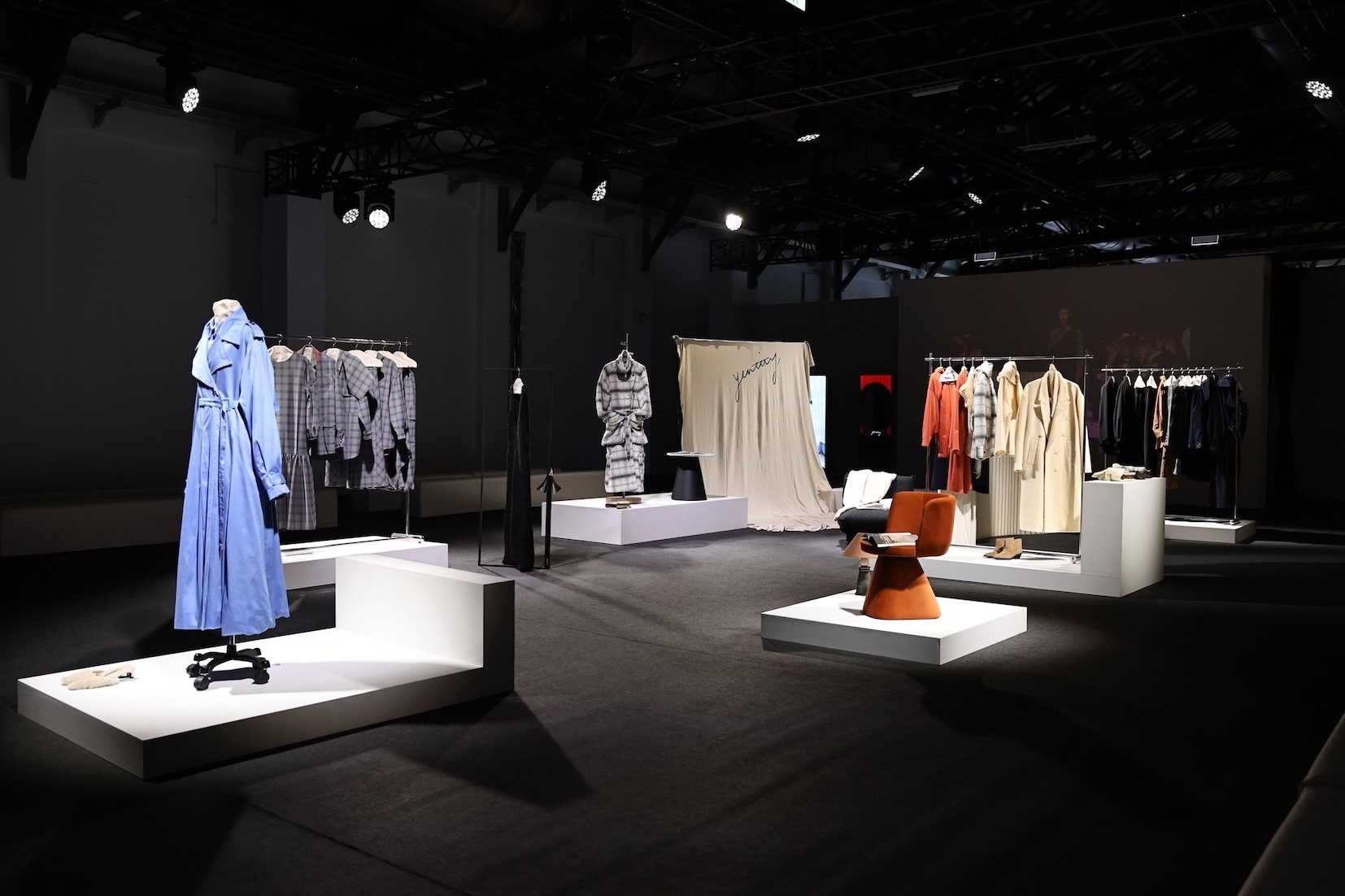
Focusing on women's issues and states of mind, Yentity’s "Monochrome Continuum" collection utilized warm long-pile wools, thick suit fabrics, and fluffy cotton textiles. The detailed patterns were not simple florals, but symmetrical blooms formed by the angel number "333"—a symbol of wisdom and guidance—offering a warm, enduring blessing for the current era.
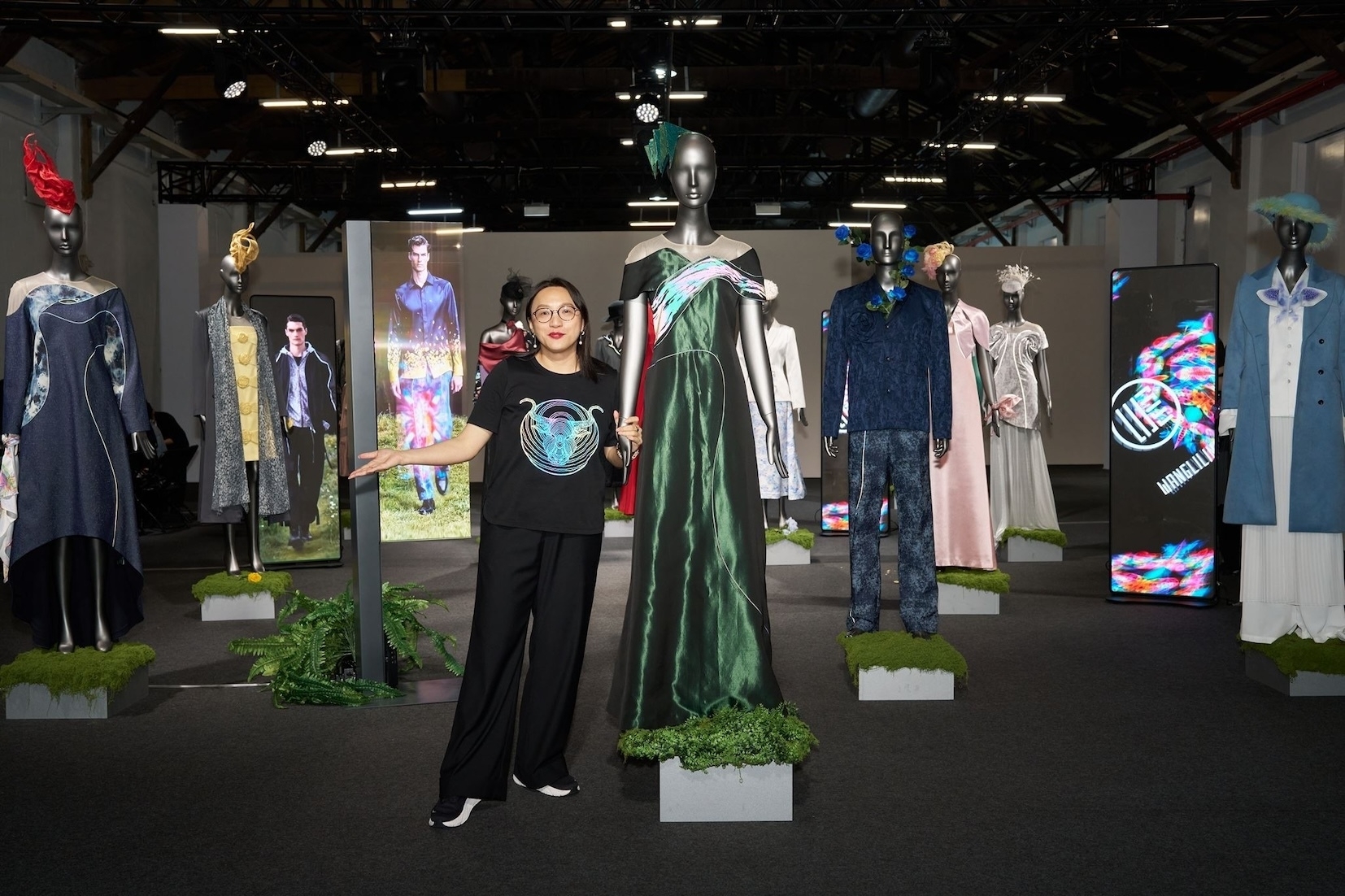
WANGLILING, a brand known for using technology and futuristic materials to showcase nature, translated the island's scenery into a sartorial language: flight paths became fluid lines, blooming flowers became layered structures, and light and air formed color gradients and textures. The mountain ridges were turned into undulating silhouettes, while the flow of the sea extended into soft, continuous forms—writing the story of Taiwan through light, texture, and the myriad forms of nature.
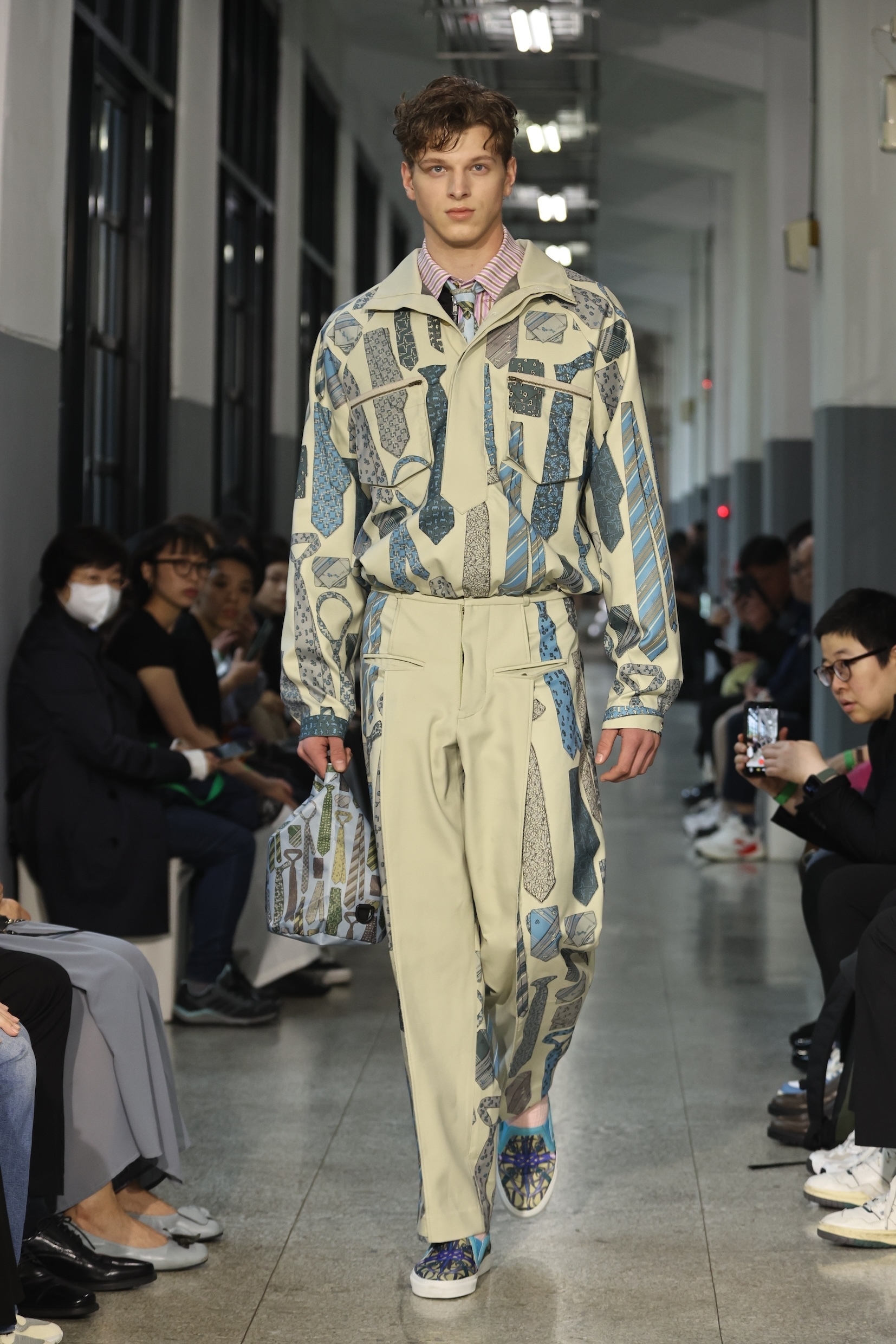
Daniel Wong re-examined elements ranging from basic spatial flow and information arrangement to daily operational processes. Through repetition, displacement, and reorganization, these were extended into print graphics and garment structures. By turning prints into extendable, translatable, and reusable visual units, he developed a versatile brand IP, allowing creativity to endure and be applied across broader cultural and commercial contexts.
The inaugural "Editor’s Pick Curated Market" saw enthusiastic participation from 18 designers. Beyond showcasing diverse stylistic energy, the market invited brands to use the Taiwanese bedding brand "Sleepy Tofu" as a creative medium, breaking traditional frameworks of clothing and accessories to spark highly discussed cross-disciplinary works. On the other side, the "Live Streaming” area broadcasted the 12 Runway shows, drawing large crowds and gaining significant public popularity. During the four-day event, the market's transaction volume exceeded NT$1 million, with jewelry brands showing particularly strong market potential.
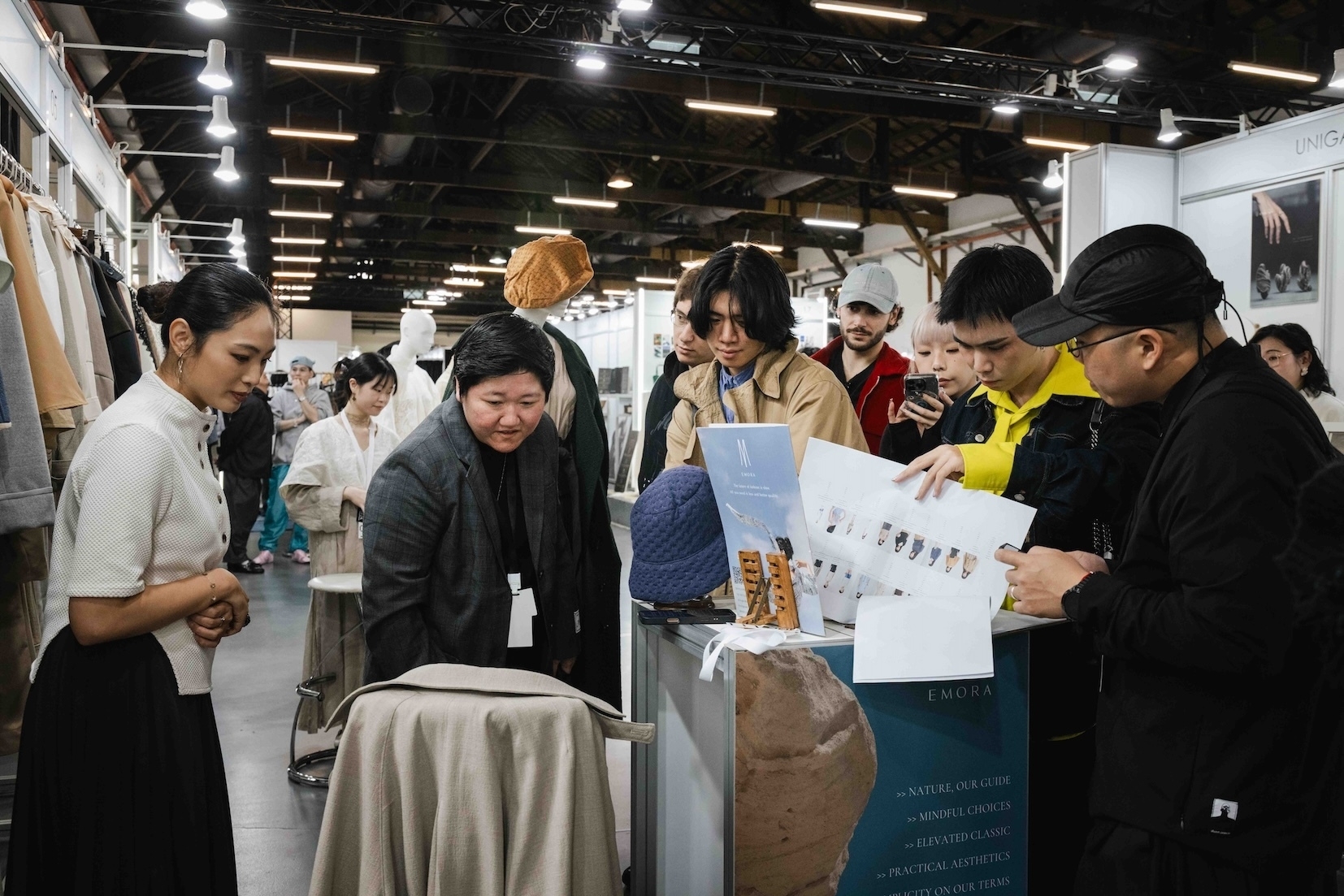
The "TAIPEI IN STYLE" Tradeshow gathered 36 Taiwanese brands and 26 international buyers from key markets including France, Germany, Austria, the UK, the Netherlands, Denmark, Japan, Singapore, Malaysia, and Vietnam. Through professional trade activities, brand VIP order sessions, and industry networking events, it successfully fostered deep interaction between brands and global buyers, effectively expanding business matchmaking and industry collaboration.
The Ministry of Culture stated that, in this “Year of Transformation,” Taipei Fashion Week AW26 declared its role as a platform to help Taiwanese brands focus on design and international marketability. By opening up more to the public, it hoped to inspire everyone to boldly express their own "fashion.” The Ministry also invites everyone to stay tuned for further updates on Taipei Fashion Week.